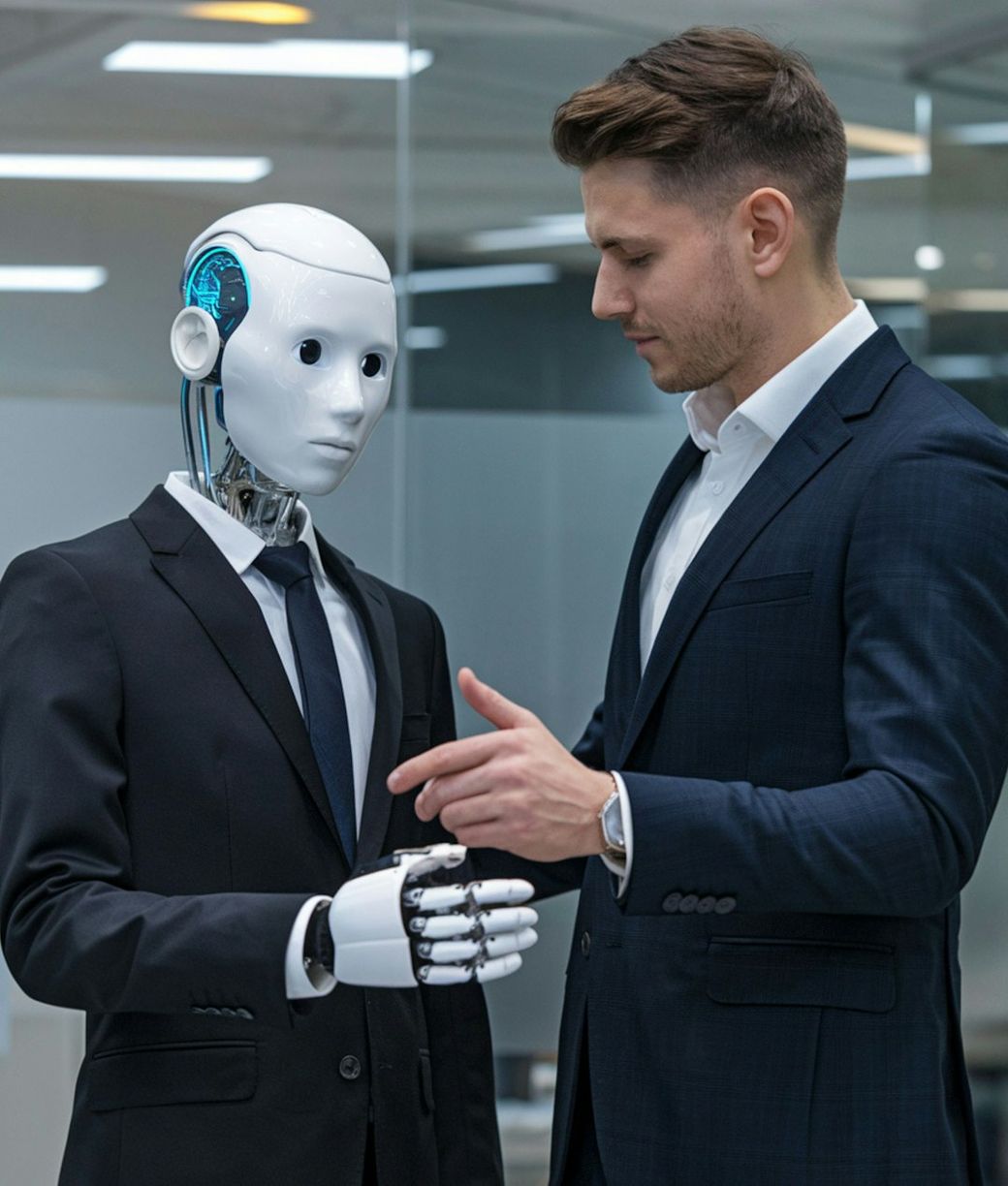
XPeng will give hands-on demonstrations of IRON, its general-purpose humanoid robot, at its 2026 AI Day in Guangzhou on 25 November.
The Chinese electric carmaker, which now describes itself as a "Physical AI" company, has called this year's event "ORIGIN".
It is the eighth edition of XPeng's annual technology showcase, which began in 2019.
IRON stands about 170 centimetres tall and has 76 degrees of freedom across its body, meaning 76 separate joints or axes it can move independently, plus 21 in each hand.
It runs on three of XPeng's in-house Turing AI chips, which deliver up to 2,250 trillion operations per second (TOPS).
That lets the robot carry out tasks on its own, without a human operating it remotely.
The latest version of IRON rolled off a newly commissioned production line on 8 September, after eight years of development.
In August, XPeng's robotics business raised more than $900 million at a valuation of more than $6.3 billion, including the new money.
XPeng said it was the largest single private funding round in China's embodied AI industry, the term for AI built into physical machines such as robots.
The event will also feature XPeng's NGP intelligent driving system and its robotaxi service.
XPeng will cover autonomous driving from Level 2, where the car assists a driver, up to Level 4, where it drives itself in defined areas without human input.
There will also be updates on its flying car programme, with further details to be announced on the day.
Read more about XPeng