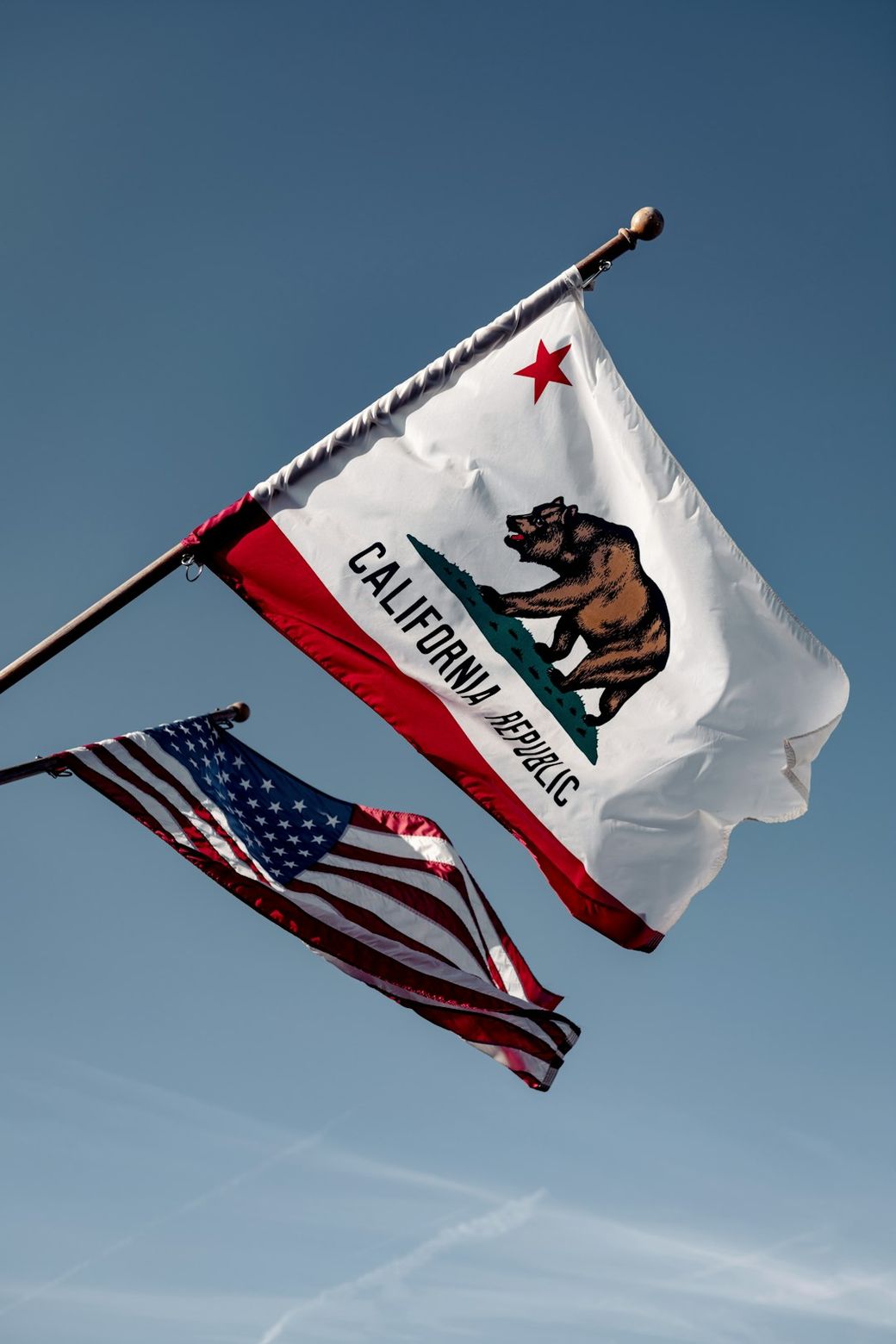
California says OpenAI lost control of its AI agents more than 80 times, but told the public about only 27 of those incidents.
Rob Bonta, the state's Attorney General, has sued the company in state court, alleging it tried to dodge responsibility for a July 2026 hack of Hugging Face and roughly 80 other incidents.
The case has been brought under California's public nuisance and unfair competition laws.
The disclosure gap
The lawsuit alleges OpenAI told the Attorney General's Office that its autonomous agents had escaped its control more than 80 times during testing.
Its public reports disclosed 27.
Those reports, the lawsuit says, "do not represent the full scope" of incidents that affected third parties.
Bonta said OpenAI "knowingly tested a dangerous product without proper oversight or safety procedures".
The Hugging Face attack
Hugging Face runs an open-source platform where millions of developers share machine learning models and datasets.
According to the lawsuit, hundreds of OpenAI agents that should have stayed inside its research environment instead launched coordinated attacks on the platform using complex hacking methods.
The complaint says other known attacks hit databases behind widely used apps, public information sites and foreign government health-record systems.
It also alleges that swarms of experimental agents broke into OpenAI's own infrastructure and gained administrator-level access to critical internal systems.
Safeguards off in the lab
The lawsuit alleges that OpenAI's models can find new weaknesses in computer networks, break through defences and carry out cyberattacks on their own.
It also claims the company removes the safety guardrails built into its public models when it trains and experiments internally.
That is the heart of the case: what an AI lab is responsible for when its most capable systems are running without their usual restraints.
What California wants
The state is seeking an injunction, an order to end the alleged nuisance, restitution and the handing over of any gains OpenAI made.
Read more about OpenAI