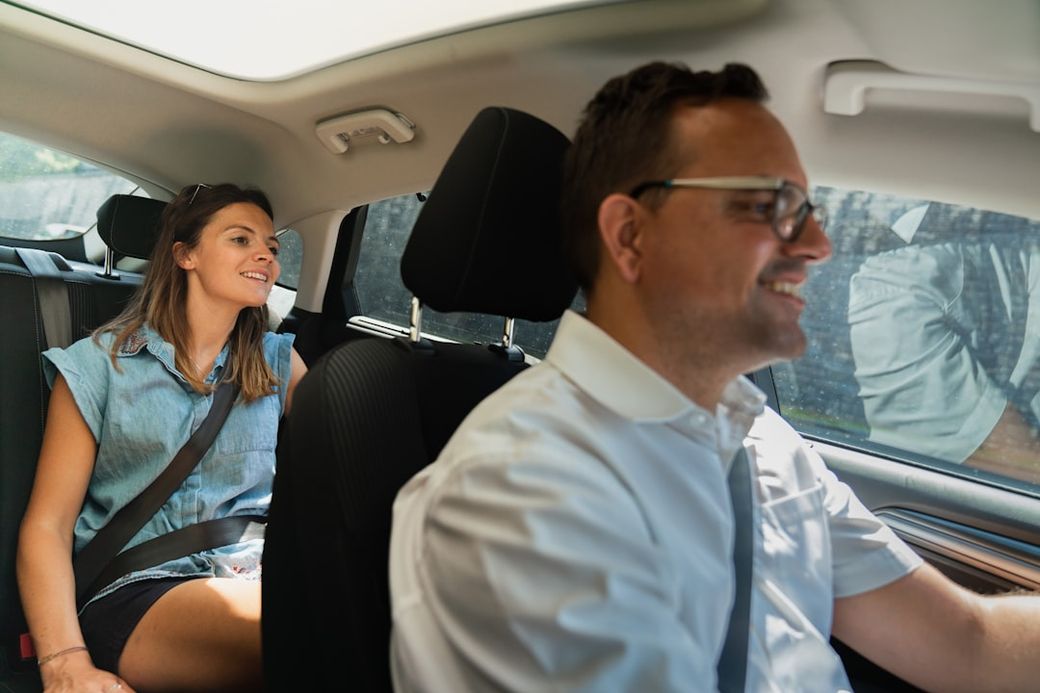
Elon Musk said Tesla owners will soon be able to speak to Grok, the AI assistant from xAI, as if the car is a chauffeur. Commands like "turn right here" and "drop at the entrance first, then park far away" will be voice-activated instead of requiring touchscreen input or steering wheel controls.
The feature will arrive in about three months, Musk said. It builds on voice command work Tesla confirmed in February and extends Grok integration that already exists in vehicles equipped with the Spring 2026 software update.
The promise is straightforward. Drivers get a more natural interface. Instead of entering waypoints or wrestling with menu screens, they speak. The car interprets and acts. This is, genuinely, more convenient than the current system.
The context matters more than the promise.
Probe
Tesla is currently under investigation by the National Highway Traffic Safety Administration for crashes involving reduced-visibility conditions. The probe started with four crashes and expanded to nine. Regulators said the system failed to adequately detect degraded camera visibility and warn drivers in time to react.
Tesla is simultaneously defending a lawsuit in China from owners claiming the company misrepresented FSD capabilities. Ten plaintiffs are seeking nearly $600,000 in damages, alleging that advertised features remain unavailable or unapproved by regulators.
Into this environment, Musk announces a feature that makes FSD feel less like a supervised driving aid and more like an autonomous chauffeur. Voice control reinforces that impression. It removes the friction of manual input. It makes the system feel more capable and more trustworthy than the underlying reality.
Parking problems
The underlying reality, according to Musk's own comments, is that destination parking is the primary reason drivers intervene while using FSD today. He claims critical safety interventions are "extremely rare." If that is true, then FSD is largely working as intended at routine driving tasks. The problem is not routine driving. It is edge cases and degraded conditions.
Adding voice control does not solve either problem. It does not make FSD safer in reduced visibility. It does not improve performance at unusual parking geometries. What it does is change how drivers perceive the system.
A chauffeur responds to your voice. A chauffeur anticipates your needs. A chauffeur is trusted. Grok as a voice interface makes FSD feel like a chauffeur, whether or not it actually performs like one.
Accurate claims
The announcement comes as Tesla is trying to convince regulators and courts that its safety claims are accurate. Voice-controlled autonomy is a powerful marketing signal. It suggests Tesla is confident in the system's capability.
Confidence and capability are not the same thing. NHTSA will determine which one is accurate. Until then, the feature announcement looks like Musk building the narrative while the reality remains under investigation