SpaceX's Falcon 9 upper stage is expected to hit the Moon on 5 August.
The discarded booster has been travelling at about 2.43 kilometres per second, is roughly the size of a five‑storey building and has a mass on Earth of at least 4,000kg, and Nasa's Centre for Near‑Earth Object Studies has concluded it will strike the lunar surface impact.
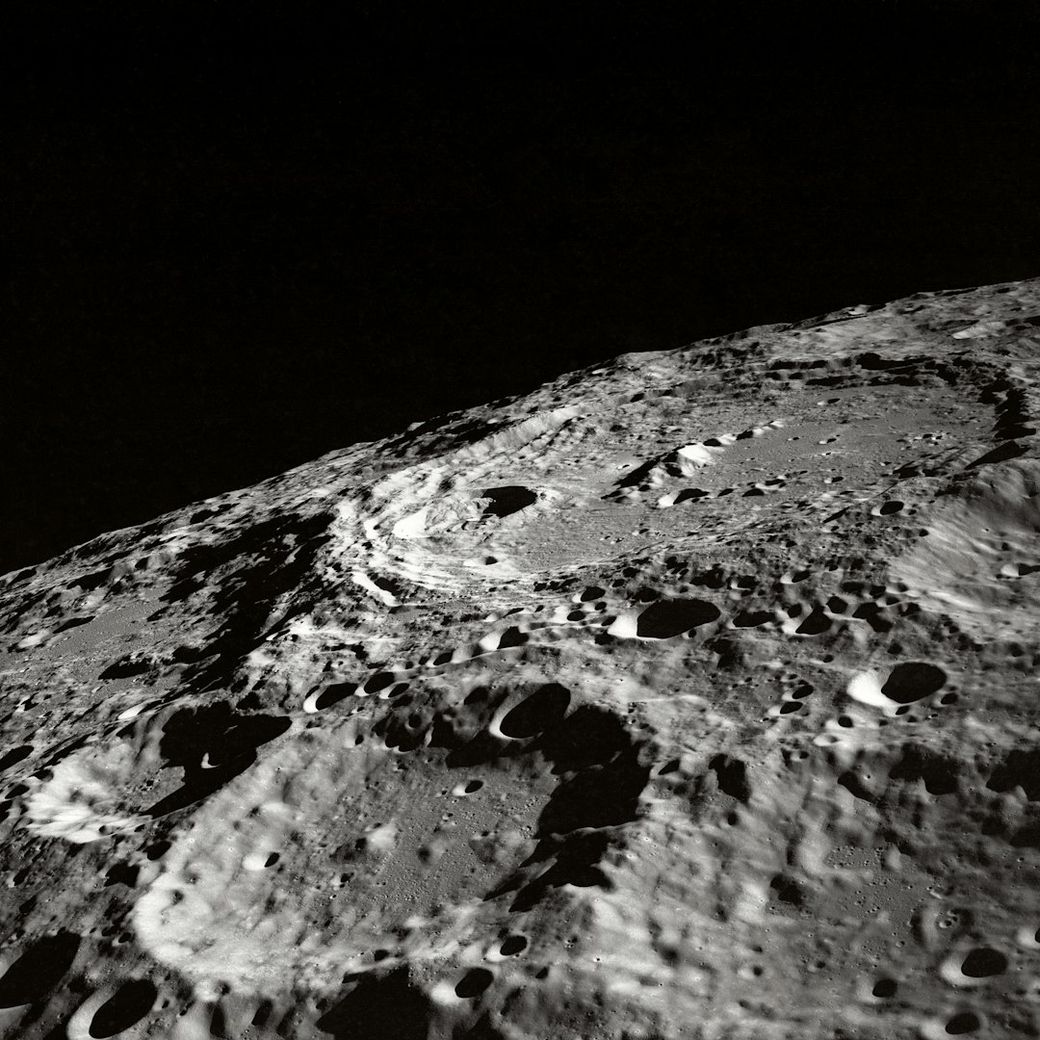
Tracking specialist Bill Gray predicts the section will land near Einstein crater on the Moon's near side and create a new hole more than more than 17m across.
"It's something really huge smashing into the Moon. It's not remotely dangerous, we can just watch the show," Dr Matt Bothwell, public astronomer at the University of Cambridge, said in the BBC report not remotely dangerous.
Large telescopes across the Americas, Nasa's Lunar Reconnaissance Orbiter, South Korea's Danuri probe and a citizen‑science campaign are preparing to capture the impact flash, plume and fresh crater.
Observers expect a dust plume-possibly tens of kilometres high, with some estimates roughly 50km—that will loft subsurface material useful for refining lunar‑impact models.
The unintentional strike has reignited concern about human‑made space debris and the implications for future lunar bases and operations, a theme highlighted by Wired.
Nasa has said the impact poses no danger to Earth and will continue tracking the booster for training while planning follow‑up observations of the site.