Instagram was built for the phone held upright in one hand. Its whole grammar, the full-screen vertical Reel, assumes a small screen and a thumb. Now Meta wants that content on the largest screen in the house, and the format does not fit.
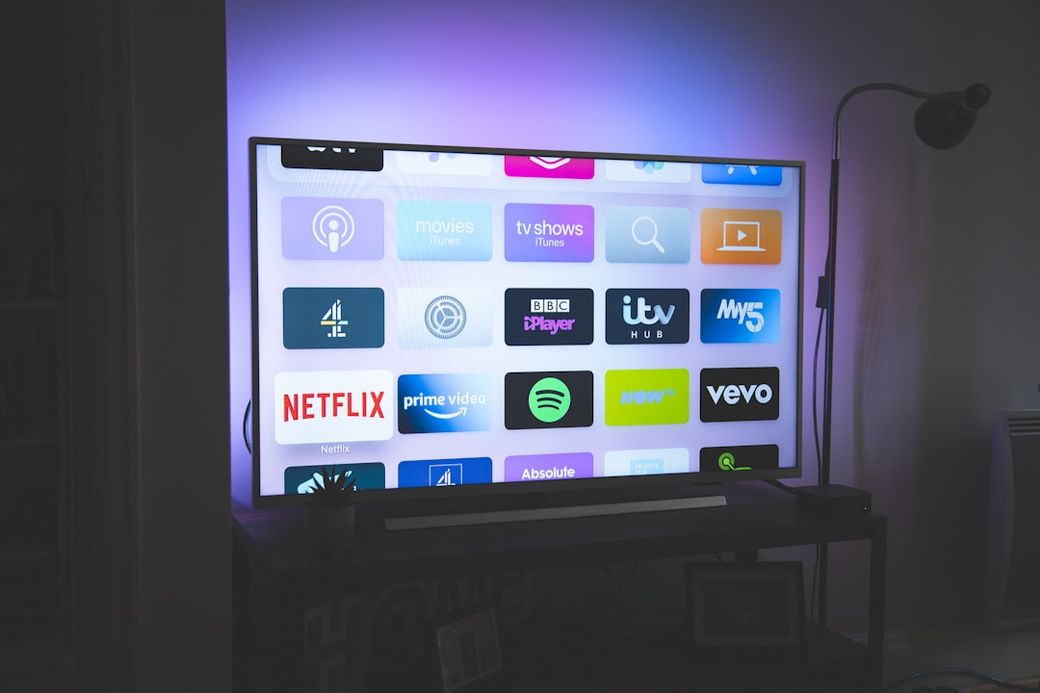
The clearest sign is buried in this week's announcement. Instagram for TV reached Samsung smart TVs across the United States on June 22, covering models from 2020 onward. The app now runs on the three biggest connected-TV platforms in the country, after Amazon Fire TV in December and Google TV in February.
A vertical app on a horizontal screen
Alongside the Samsung rollout, Instagram added the ability to watch Stories on the TV and to browse Reels by interest, with channels for comedy, sports and music. Users can cast clips from a phone, including saved videos.
The telling feature sits in testing. Instagram is building a dedicated home for horizontal videos, the widescreen format native to television and at odds with the vertical Reel. The company says it heard from viewers who wanted content that suits the screen. That is an admission its signature format does not.
The audience moved to the big screen
The strategy is easier to read than Meta lets on. Streaming reached nearly 48 percent of US television viewing in December 2025, a record, according to Nielsen. The living room is where video attention now sits.
YouTube owns much of it. Nielsen put YouTube at 13 percent of all US TV watch time, its largest share since the measure began in late 2023. YouTube Shorts viewed on televisions already accounts for 15 percent of US Shorts consumption. Meta watched a rival turn short video into a couch habit and wants the same ground.
Instagram has tried this before
The history is not kind. Instagram's previous standalone video product, IGTV, ran for four years before Meta shut it down. The app never found an audience willing to treat Instagram as a place to sit and watch rather than scroll.
This time Meta is leaning on more than placement. It is exploring longer creator videos, episodic series and live broadcasts for the TV app, formats designed to hold attention past a quick scroll. None has a launch date, and the horizontal home remains a test.
Whether any of it sticks depends on a question Meta has failed to answer once already. Will people sit still for Instagram, or only scroll through it?