A $250m climate tech fund has been raised at a time when most venture investors are doing everything possible to avoid the term.
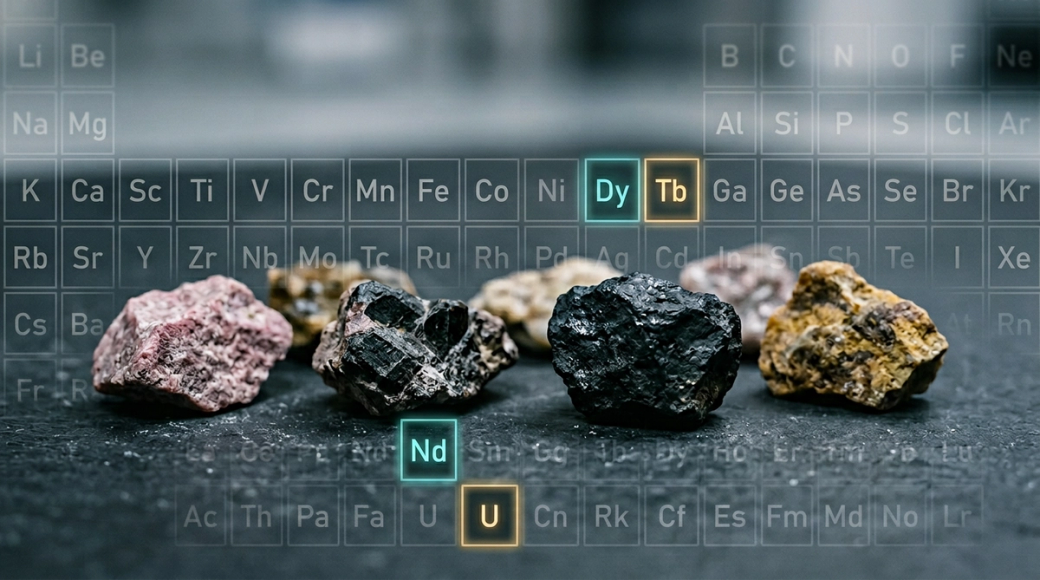
The fund, called Gigascale, focuses on energy generation and critical minerals. The thesis is simple: AI requires enormous amounts of power. Data centres require enormous amounts of power. The demand for clean energy infrastructure is accelerating regardless of which administration occupies the White House.
Rebranding problem
Climate tech has become a label that repels capital. Funds that invested in the sector two years ago are now rebranding as "resilience tech" or "physical economy" or "energy transition" funds, anything to avoid triggering the reflexive resistance that the word "climate" now provokes among certain investor pools.
Gigascale uses the tagline "the physical economy," which is the same instinct dressed in neutral language. The underlying investments are the same: solar, storage, grid infrastructure, mineral extraction. The packaging has changed because the market demands it.
Why the timing works
The irony is that the AI boom has made climate tech investments more commercially attractive than at any point in the past decade. Every hyperscaler building data centres needs power. Every power purchase agreement needs generation capacity behind it. Every battery storage project that smooths grid demand has a buyer waiting.
Investors who avoided climate tech on ideological grounds are now funding the same infrastructure under different names because the demand signal from AI makes the returns hard to ignore.
A $250m fund is modest by current standards. But in a sector where capital has been retreating, it represents a contrarian bet that the fundamentals will outlast the branding problem.
The energy transition does not care what you call it. The electrons are the same.