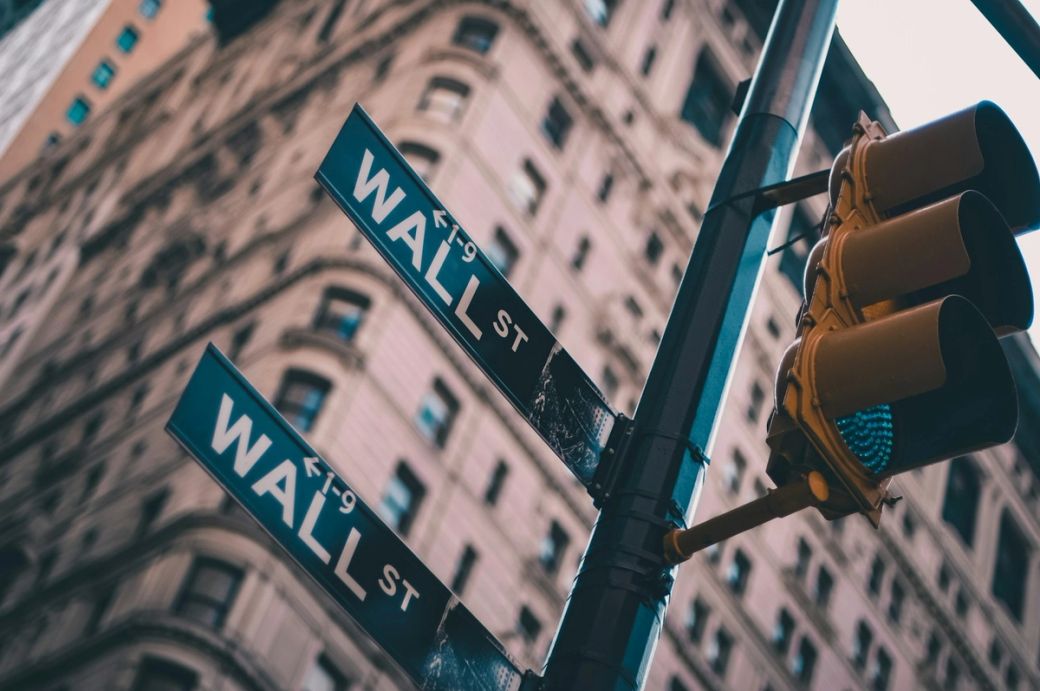
Wall Street is having the best quarter of the AI age at the exact moment the market has started to wonder whether the AI age is overbuilt. Five banks, JPMorgan Chase, Bank of America, Citigroup, Wells Fargo and Goldman Sachs, booked $49bn of combined profit in the second quarter, up 39% on the year. Their executives named the same cause. AI.
The trading numbers carry it
The uplift is concentrated where the AI trade churns hardest. Goldman's equities trading revenue rose 72% to $7.4bn. JPMorgan's stock-trading revenue jumped 86% to $6bn. Bank of America's trading fees climbed 70% to $3.6bn. Goldman's investment bank turned over $3.4bn.
Volatility pays the trading desk. So does volume. A market arguing with itself about whether compute is scarce, whether capex is rational and whether the leaders are worth their price generates both. The banks sit in the middle, collecting on each side of the argument.
Underwriting the boom
The fee income tells a cleaner story. SpaceX's record listing and Alphabet's follow-on offering handed the banks headline mandates. Wealth management picked up new flows from tech employees and investors, the people whose paper wealth the boom created. Advisory work on the same deals paid twice. None of that requires the AI thesis to be correct. It requires only that capital keeps moving.
David Solomon put the house view in direct terms. "The build-out of AI infrastructure remains in its early stages, and we believe in this multiyear investment cycle," Goldman's chief executive told analysts. Jane Fraser at Citigroup called the dealmaking pipeline "very healthy."
The pipeline is the tell
That pipeline is where the position gets interesting. The banks point to further listings ahead. DeepSeek is expected to come to market. Anthropic and OpenAI are both anticipated to go public later this year, at valuations that would rank among the largest debuts ever.
Those deals are the bull case and the exposure in one line. Fees on a $1tn listing are enormous. They are also contingent. IPO pipelines do not survive a repricing, and the same doubt now hanging over AI valuations is what would close the window. Trading revenue holds up in a selloff. Underwriting does not.
So read the $49bn for what it is. It is not evidence that the AI trade is sound. It is evidence that the trade is busy. Banks are paid on flow, not on outcomes, which is why their best quarter can coincide with the first serious wobble in the thing generating it. The five have monetised the boom without underwriting its premise.
The question their results leave open is how long a firm can profit from an argument without needing it settled. Solomon says the cycle runs for years. Fraser says the pipeline is healthy. Both may be right. But the quarter that proves them wrong will not announce itself in trading revenue. It will show up when the listings stop, and the banks will be the last people in the market to feel it.