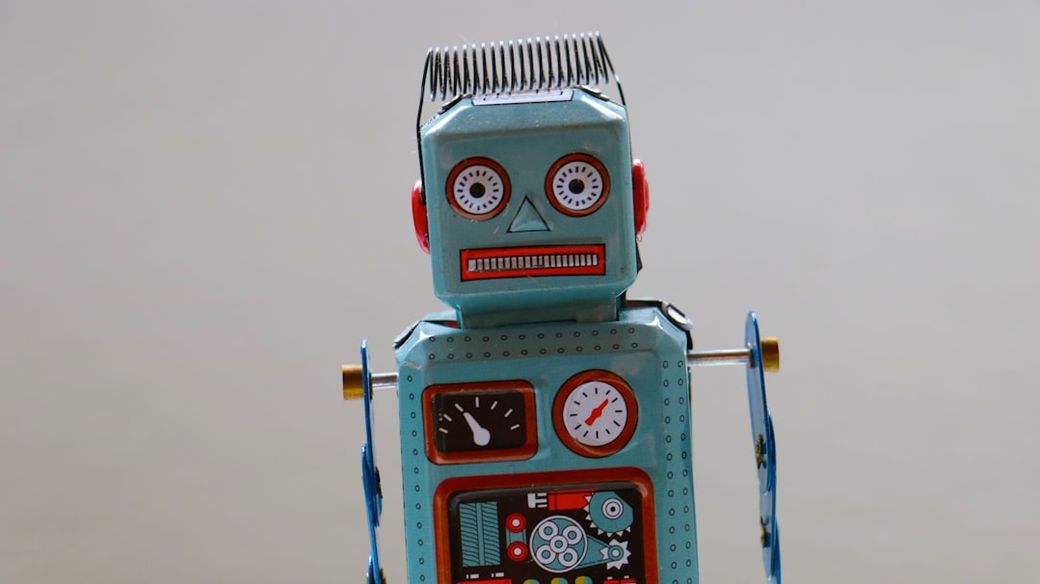
Humanoid robots are appearing on factory and warehouse floors, but most are demonstration projects rather than broad production deployments.
Investor and industry spending around the humanoid ecosystem is around $300 billion, including recent large raises such as NEURA Robotics’ $1.4 billion, and entrants from Figure, Apptronik, Agibot, UBtech and Unitree.
Jeff Burnstein, president of the Association for Advancing Automation, told the author that the sector remains overhyped even as capabilities advance.
Pilot projects, Burnstein says, are landing at maybe 20% to 50% effectiveness, a performance gap he considers far short of the near-perfect reliability manufacturers require.
Some startups are closing that gap, a UK company called Humanoid is achieving around 80% of human speed on select tasks and targets parity or better.
A bigger barrier than dexterity is safety: there is no established humanoid-robot safety standard, and insurers and regulators such as OSHA will likely temper adoption.
A few production examples exist, Agibot’s G2 running on a live line and an Agility humanoid at a GXO Logistics plant, and industry friction has already surfaced in labour actions such as a Hyundai strike.
A3’s long-run data, Burnstein said, shows higher robot sales correlate with lower unemployment, and he cites nearly 500,000 unfilled U.S. manufacturing jobs today, a figure projected to reach 1.9 million by 2033.
China currently accounts for around 54% of the world’s industrial robots, about two million machines, and Burnstein argues new form factors give the U.S. a second chance; legislation to create a National Robotics Commission has been introduced.