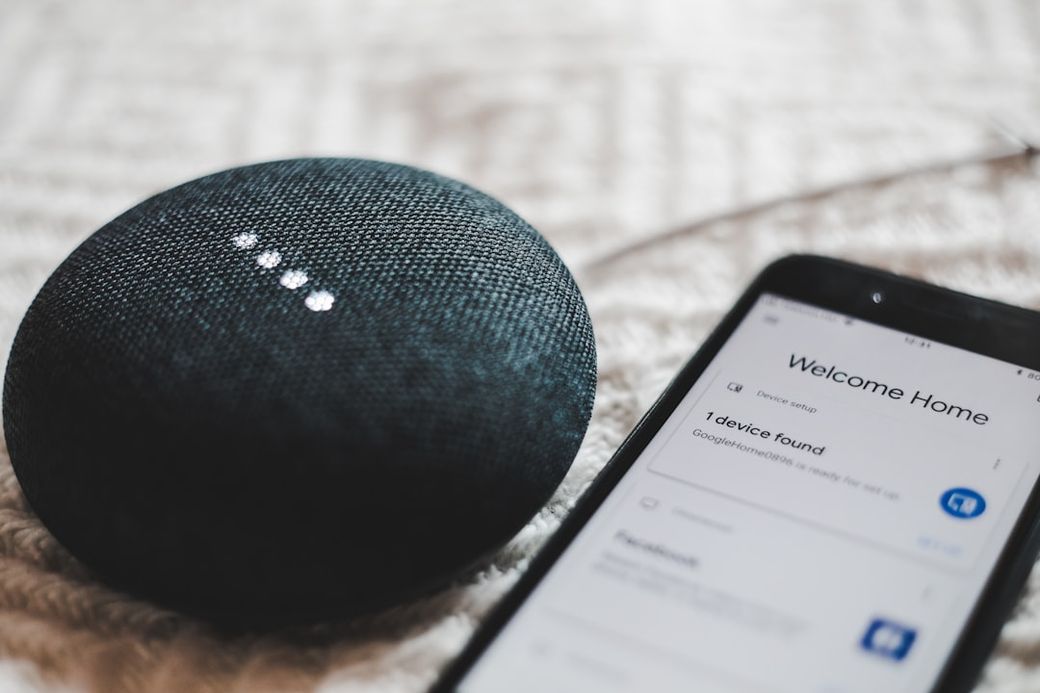
Ambient AI refers to artificial intelligence embedded into physical or digital environments that operates continuously in the background.
Unlike a chatbot or search engine, it does not wait for someone to type a question or issue a command.
Instead, it draws on sensors, cameras, microphones and other data streams to sense what is happening around it and act on its own.
A thermostat that adjusts the temperature before anyone notices a change, or a phone that quietly sorts photos, are both everyday examples of the technology.
How it works
The system's defining trait is context awareness, meaning it interprets the broader situation rather than reacting to a single data point.
Machine learning models process the incoming signals in real time, looking for patterns linked to a person's intent, activity or surroundings.
Once a pattern is recognised, the system can trigger an action, such as sending an alert, adjusting a setting or producing a written record, largely without human input.
The healthcare test case
Healthcare has become one of the most visible testing grounds for the technology, with so-called ambient scribes recording conversations between doctors and patients to generate clinical notes automatically.
The American Bar Association noted this year that these tools promise significant time savings for overstretched clinicians.
However, because the scribes record continuously, they create tension with existing consent laws, some of which require every party in a conversation to agree to being recorded.
Compliance specialists have urged healthcare providers to delete raw audio and interim transcripts once a clinician has reviewed the final note, rather than retaining them indefinitely.
Beyond the clinic
Ambient AI is also moving into offices, smart homes and city infrastructure, with one technology forecaster naming it among the defining trends of 2026.
Advocates argue the appeal lies in reducing friction, allowing people to interact with technology conversationally rather than through screens and explicit prompts.
Critics counter that a system which always listens and always watches accumulates exactly the kind of sensitive data that regulators and privacy campaigners worry about most.
The privacy fix
Industry specialists say the emerging answer is to process information locally on a device wherever possible, rather than sending it to the cloud.
This approach, known as edge computing, means a voice command or health reading can be acted on without ever leaving the device that captured it.
Analysts also stress that ambient AI is not artificial general intelligence, since it remains a form of pattern matching built on training data and statistics.
That means it can still misread a situation or act on incomplete information, even as it grows more capable of stepping in before it is asked.
How much autonomy people are willing to hand to systems that watch continuously, largely unseen, is likely to shape how quickly the technology spreads.