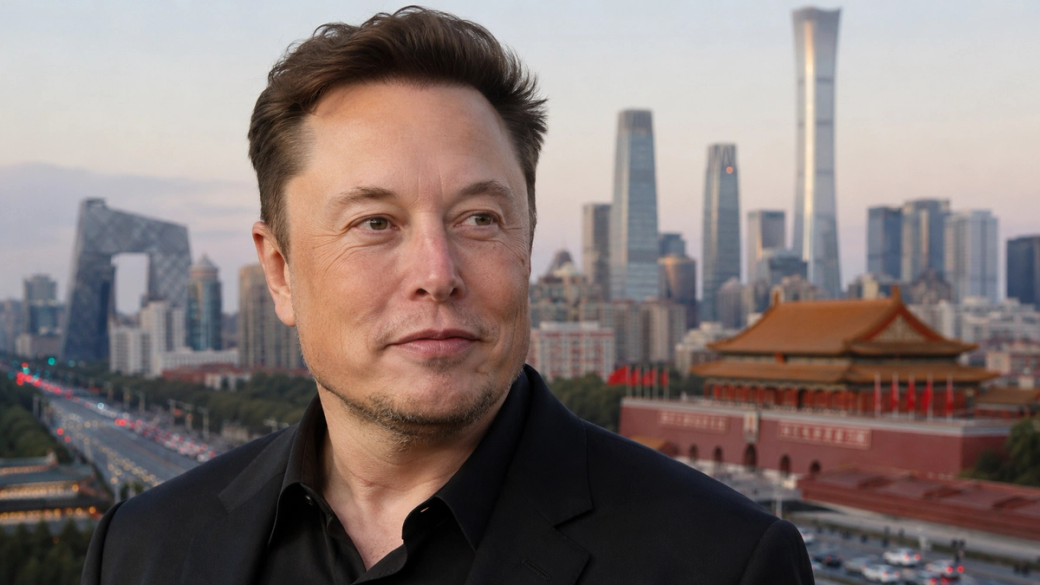
The most intriguing name circling PayPal is not the one that made the bid.
SpaceX has emerged as a potential rival bidder for the payments group after Stripe, in partnership with private equity firm Advent, tabled an approach worth approximately $53 billion.
The logic of Elon Musk entering the fray is hard to ignore.
Musk was an original PayPal executive and investor, and he has repeatedly stated his ambition to build a payments application within X.
Acquiring PayPal would hand X a functional, regulated payments infrastructure overnight, solving a problem the platform has struggled to crack organically.
The cash PayPal generates could also help fund Musk's escalating investments in artificial intelligence, giving the deal a strategic rationale that extends well beyond payments nostalgia.
For a man who has spent two decades talking about turning X into an "everything app", buying back the company that made his first fortune would be both practical and poetic.
An opening bid, not a closing one
Whether Musk moves or not, the Stripe approach looks like the start of a process rather than the end of one.
The PayPal board reportedly views the $53 billion offer as insufficient, and the arithmetic supports that stance, since the bid values the company at $60.50 per share, low against its historical trading range.
Directors are expected to open a formal process inviting rival offers, transforming a private approach into an auction.
Financial institutions are also seen as potential bidders, with speculation that multiple parties may enter once the process begins.
Auction dynamics tend to favour sellers, and PayPal's board has credible grounds to hold out for more.
Why PayPal is in play
PayPal's vulnerability is real but overstated by its share price.
The company has struggled with slow growth and mounting competition from Apple Pay and Google Pay, which have chipped away at its once-dominant position in online checkout.
Yet it remains solidly profitable and owns Venmo, a growing and potentially lucrative peer-to-peer payments business that has never been fully monetised.
For Stripe, combining the dominant infrastructure provider for internet commerce with the largest consumer payments brand would create a formidable full-stack payments group, though Advent's involvement signals Stripe cannot or will not fund the deal alone.
The risk for the board is that regulatory scrutiny and the sheer size of the cheque thin the field of viable buyers.
But the approach marks a signal moment for fintech: standalone payments incumbents trading at depressed multiples are now attracting predators with deep pockets.
Whether Stripe, Musk or a bank prevails, PayPal's long spell of drift appears to be ending, and the price of that ending is the only real question left.