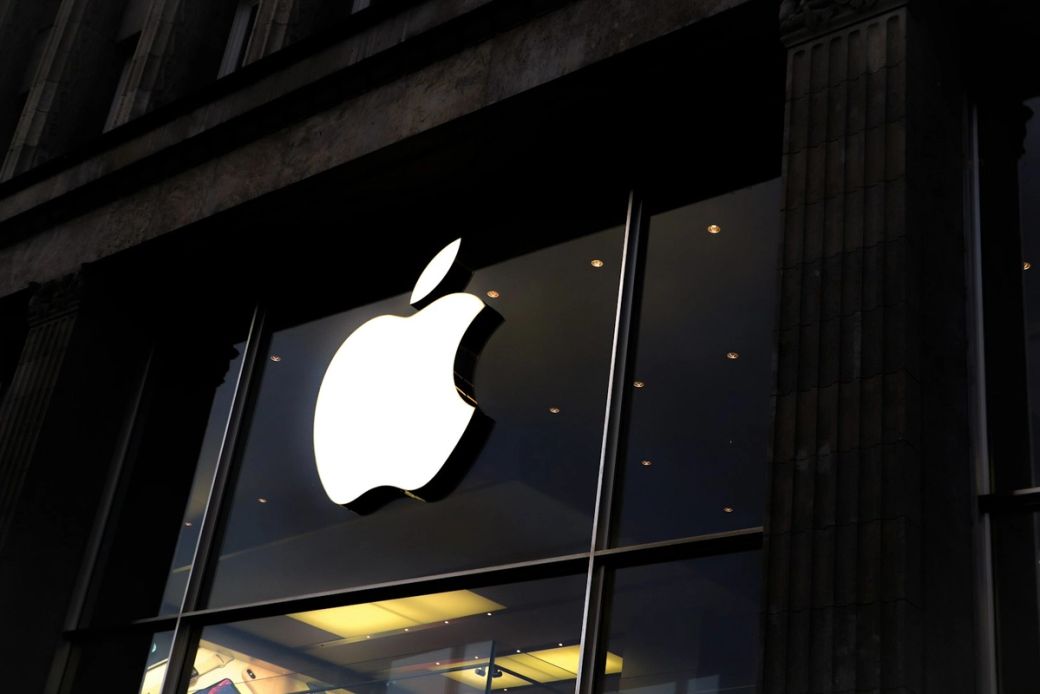
Apple's lawsuit against OpenAI may be remembered less as an employment dispute than as the opening shot in a proxy war between the incumbent technology giants and the AI industry itself.
The complaint alleges the ChatGPT maker built an elaborate system to induce Apple employees to resign and carry confidential material with them, naming specific individuals and drawing in adjacent companies including LoveFrom, the design firm founded by former Apple design chief Jony Ive.
Hundreds of Apple employees are said to have taken company information, with one individual accused of continuing to access Apple servers to download material after leaving.
But the framing of the case suggests a larger target.
Apple is positioned to leverage its considerable cultural capital to cast OpenAI as a representative of an entire industry already criticised for training on unauthorised data without compensation or permission.
In that reading, OpenAI is being forced to stand trial as a proxy for AI's whole approach to other people's property, and every lab watching should recognise itself in the dock.
Why now, and why trade secrets
Apple is not responding to an existing threat, since no OpenAI device yet exists that endangers the iPhone.
What worries Cupertino is the future: AI as a new input mechanism capable of defining a new class of products, being developed by Ive, the man behind the click wheel and multi-touch, with intimate knowledge of Apple's suppliers, manufacturing methods and pipeline.
With no product to sue over, patents and copyright are useless, so Apple has turned to trade secret law, which requires proving the information has economic value, is not public, and was reasonably protected.
The complaint's exhaustive detail on Apple's security protocols exists to show OpenAI bypassed them.
Apple has form in weaponising intellectual property law at its frontiers, from the "look and feel" copyright fight against Microsoft, which it largely lost, to the Samsung patent wars that yielded roughly $1 billion but never stopped Android.
Trade secrets are simply the next battlefield, and Apple has the resources to bend the law's development in its favour.
Can OpenAI survive the siege
OpenAI's response has been minimal, with spokesperson Drew Puseteri saying the company has no interest in other firms' trade secrets, a thin reply to allegations that an individual downloaded circuit board manufacturing presentations.
The company will likely fight, framing its hiring as normal business and Apple as an AI latecomer hobbling a rival, though bringing proprietary presentations to a job interview is not normal hiring practice.
The case will run for years through discovery and appeals.
Samsung absorbed that kind of fight comfortably; whether OpenAI, with its uncertain revenue model, executive churn and recurring internal "code red" declarations, can do the same is genuinely unclear.
If the incumbents' strategy is attrition, they have chosen their moment well.