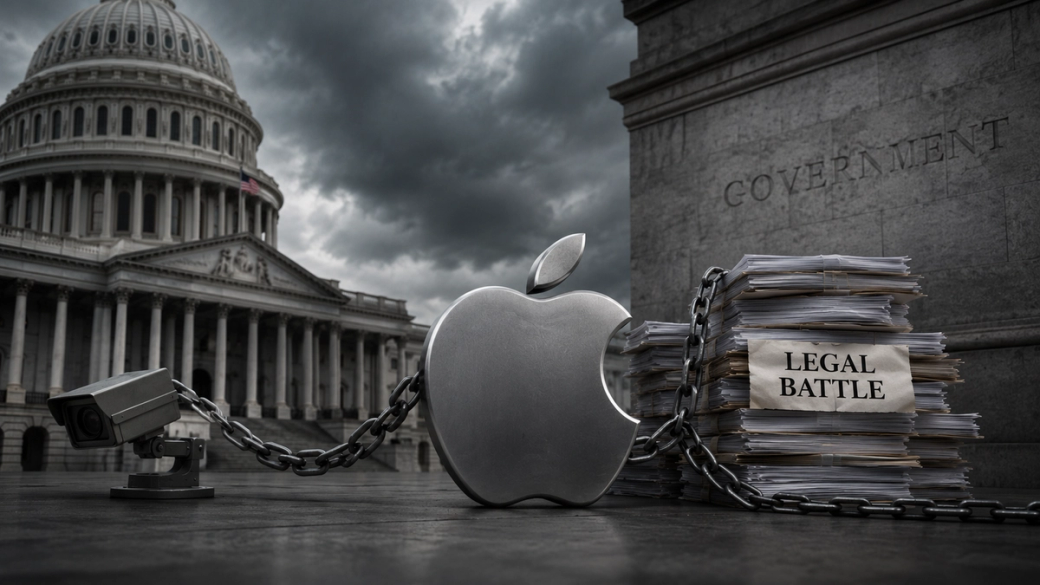
Apple won court permission to inform a senior Republican Congressional staffer that the company had been turning over their data to the Justice Department after the government sought a multi‑year non‑disclosure order.
Court documents reviewed by Forbes show the orders would have barred Apple from notifying the user until August 2029 and compelled location history, emails, iMessages and messages from encrypted apps, covering data from 2020 through 2025 in a probe into alleged Qatari influence.
"We have a longstanding policy to inform users of government requests about them," Apple spokesperson Sarah O'Rourke said, adding that Apple challenged the lengthy timeframe and has since notified the user.
The filings say the government used two grand jury subpoenas in 2023 and 2025, a 2024 search warrant and five pen registers through 2024 to collect account content and communications‑pattern data, and Apple argued the five‑year gag infringed its First Amendment right to notify its user.
Apple’s lawyers warned the breadth of the compelled disclosures would have revealed communications of anyone who contacted the target, potentially sweeping in U.S. government employees and Qatari officials, and the company’s challenge was unsealed in November.
Apple has faced congressional data demands before, CNN reported a 2018 subpoena for metadata tied to House Intelligence Committee members and aides, but this is the first known instance of a Silicon Valley firm being ordered to provide continuous location and encrypted‑content collection over such a prolonged period.
The Department of Justice declined to comment, saying it does not confirm or deny investigations, and none of the specific surveillance orders have been unsealed.