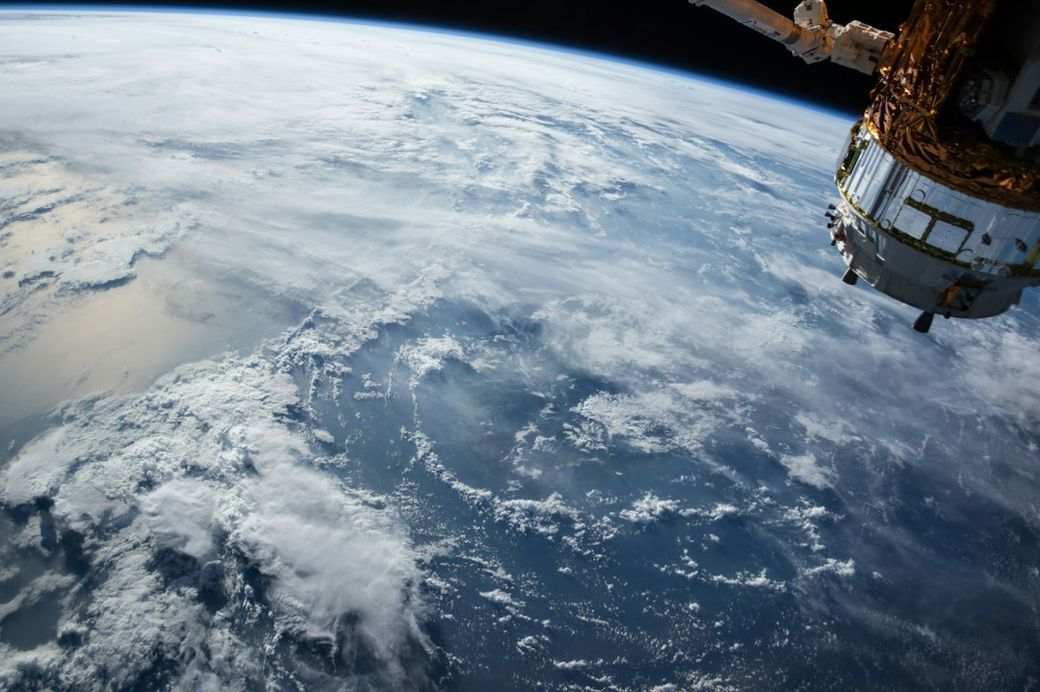
The Federal Communications Commission has authorised SpaceX to deploy up to 1 million artificial intelligence satellites as part of its "Starmind" orbital-computing project, the first US approval granted for a full AI-satellite constellation, according to The Verge.
SpaceX, Elon Musk's aerospace and satellite-internet company, is building Starmind to place AI chips in orbit, where satellites can draw on continuous solar power and transmit results to Earth over high-speed lasers linked to its existing Starlink network.
The approval comes with conditions rather than a green light to proceed freely.
SpaceX must launch at least one satellite by 2033 and reach the full 1 million by 2040, per the FCC's terms as reported by The Verge.
The regulator also declined, for now, to let SpaceX dispose of satellites above 600 kilometres in graveyard orbits rather than having them burn up on re-entry, saying the company has not given "sufficient information" about its disposal plans.
Chip factor
SpaceX has said it plans to manufacture chips for the satellites at Terafab, a planned chip factory it is developing with Tesla that has recruited Intel, and which management has set a long-run goal of one terawatt of annual compute capacity.
Musk has reportedly forecast initial Starmind deployment in the fourth quarter of 2027, with operations reaching significant scale in 2028, well ahead of the FCC's binding 2033 deadline.
SpaceX is not alone in the race to move AI infrastructure off-planet.
Google launched its first space-based AI chips on a SpaceX rocket in October 2026 under its Project Suncatcher effort, while Blue Origin, Jeff Bezos's rocket company, is due to carry out the first dedicated heavy-lift launch for that project in 2029.
Roughly 17,000 satellites currently exist in space, underscoring how far beyond today's orbital population SpaceX's authorised ceiling would reach if fully built out.
Read more about SpaceX