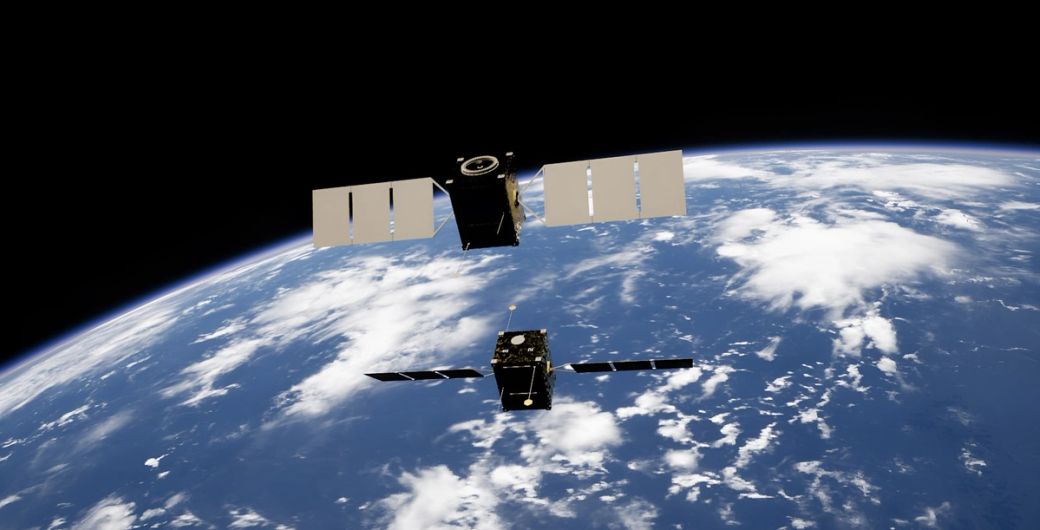
SpaceX is increasingly reserving Falcon 9 launches for its Starlink satellites, crowding out rival satellite companies that depend on the rocket.
Reuters analysis shows SpaceX, the launch and satellite operator, had Starlink make up about 79% of Falcon 9 missions so far in 2026, up from 54% in 2020, and that Starlink supplied roughly 60% of the company's revenue last year.
"SpaceX has a scarce resource, which is their own launch capacity," said Akhil Rao, chief economist at Rational Futures.
At least seven space companies said they were told Falcon 9 is fully booked until 2028 or 2029, a backlog Reuters ties to SpaceX prioritising Starlink and its planned transition to Starship.
The company, which went public in June, is targeting a first orbital Starship mission to deploy next‑generation Starlink satellites in late 2026.
Starlink brought in $11.4 billion in revenue in 2025 and has launched more than 10,000 satellites, the reporting said.
Competitors have struggled to match Falcon 9's cadence: New Glenn exploded in May and ULA's Vulcan has been grounded since February, narrowing alternatives for customers.
Separately, scientists warned a defunct Falcon 9 stage could slam into the Moon at high speed, an episode that underlines how SpaceX activity is now central to multiple orbital and deep‑space developments.