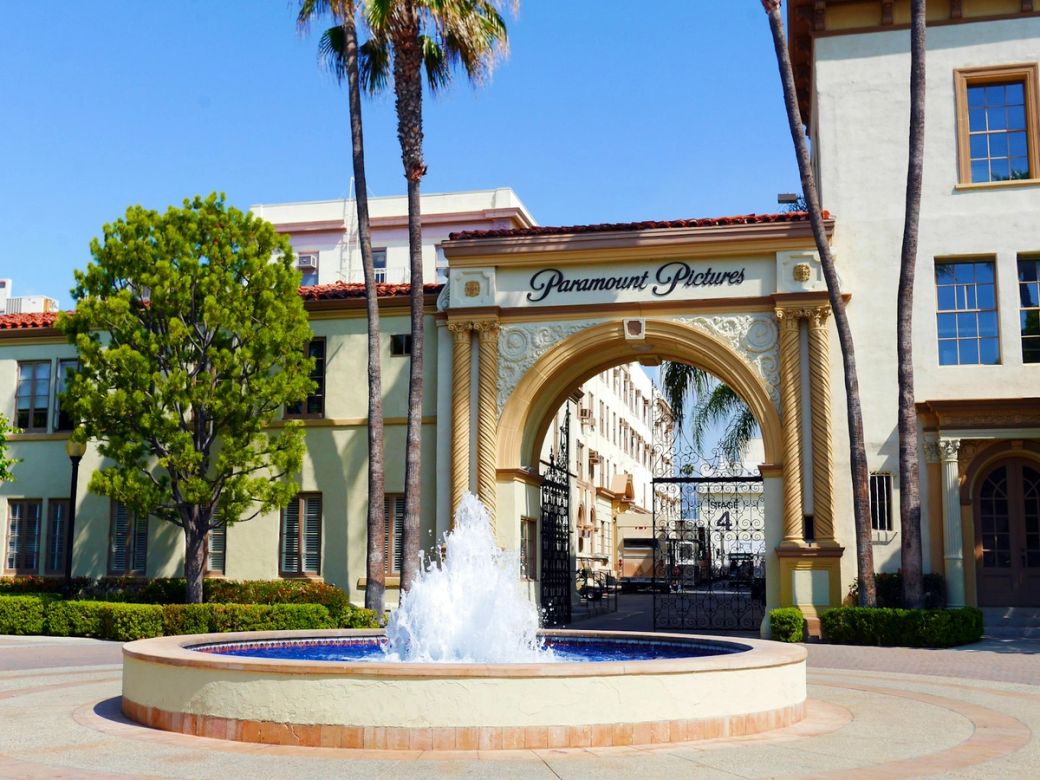
Paramount Skydance CEO David Ellison published a guest essay in the New York Times this week arguing that the opposition to his takeover of Warner Bros. Discovery has nothing to do with competition.
The fight, he wrote, is really about whether he can be trusted as steward of CNN, and he asked readers to accept that he votes for both parties, holds a mix of views and has no intention of bending newsrooms to them.
Hours later, Judge Araceli Martínez-Olguín set the antitrust trial for March 2027, closer to the states' proposed date than to Paramount's requested November.
Paramount has agreed to stand still until a ruling or June 2027, whichever arrives first, while paying Warner shareholders a ticking fee of roughly $7 million a day from 1 October.
The bill for the delay alone will likely exceed $1.5 billion.
Ellison's essay is a revealing document, because it concedes the terrain on which his opponents are strongest.
His legal case is decent. Regulators in dozens of jurisdictions have cleared the deal, and his numbers, under 20% of television watch time, 13% including YouTube, 18% of the domestic box office, describe a company that would still be chasing Netflix and Amazon rather than dominating them.
By declaring that the real dispute is about the news, he moves the contest from a courtroom where he has arguments to a public square where he has a record.
That record is the problem.
Barry Weiss was installed at CBS News after the Skydance deal closed, and the subsequent reporting has featured allegations of political interference and falling ratings, at an outlet whose audience is old enough to notice and traditional enough to mind.
There have also been reports that CNN's future was discussed with the administration while approval was being sought.
Against that, a personal assurance published in a newspaper is thin.
It is also worth resisting the framing that 20% of American watch time is trivial.
Twenty per cent of a nation's attention, attached to the largest intellectual property libraries in existence, is not a rounding error. It is cultural power, and describing it as insignificant invites the scrutiny it is meant to deflect.
Then there is the money.
Oracle bankrolled Skydance's purchase of Paramount and is behind this one. Oracle stock is down 26% so far this year, and the AI trade financing the whole structure is visibly wobbling.
Ellison says he expects to win at trial and remains open to settling out of court.
The more interesting question is whether the family financing all this still wants to be writing cheques in March 2027, with a trial pending, an election just behind it and the collateral repricing daily.
Walking away is starting to look like a strategy rather than a defeat.