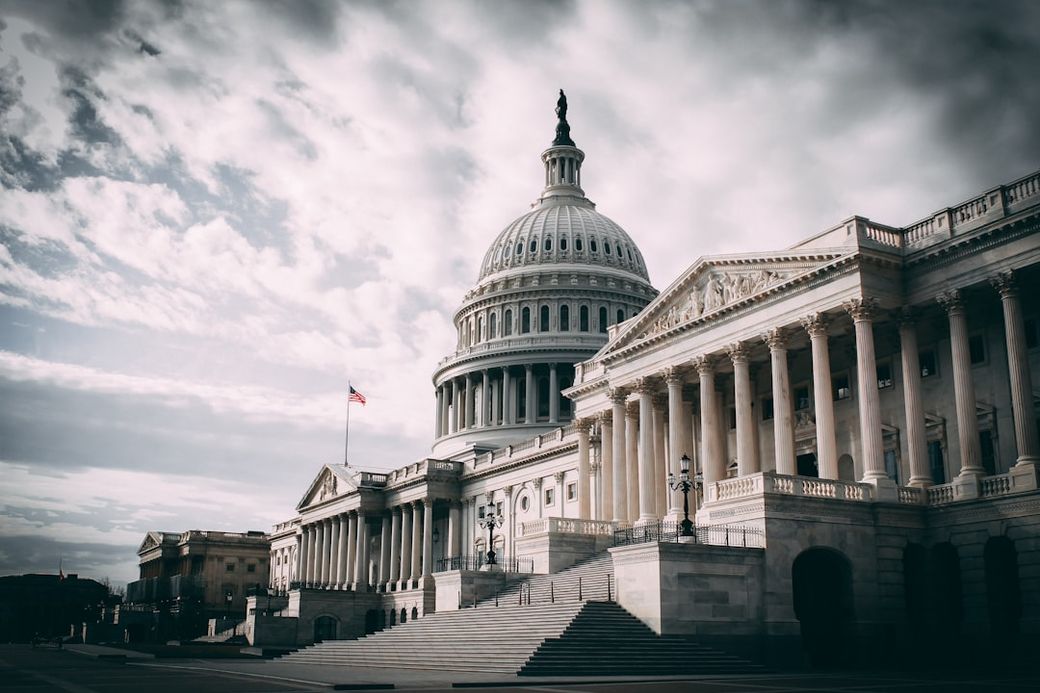
Anthropic's senior technical staff are in Washington today meeting Commerce Department officials to negotiate the restoration of Fable 5 and Mythos 5, the company's most capable models, which have been offline since Friday evening.
Wedbush analyst Dan Ives described the situation as a "soap opera" that needs resolution "sooner rather than later" to end uncertainty across the AI sector. The note warned that the ongoing tension between Anthropic and the Pentagon will have a "ripple impact" for the company's enterprise customers and technology partners over the coming months.
That ripple is already being felt. Every enterprise that chose Claude as its primary AI platform woke up on Saturday to discover that the most powerful version of the product had been disabled by government order, with no timeline for restoration.
Enterprise exposure
Claude is embedded in coding workflows, customer service automation, compliance processes and internal research across thousands of companies. Anthropic's annualised revenue run rate reached $47bn, the vast majority from enterprise customers who chose Claude over ChatGPT for production deployments.
Those customers made a vendor selection based on capability, reliability and the assumption that the product would remain available. The export control directive invalidated the third assumption overnight. A company that built its workflow on Fable 5 on Thursday had no access to it by Friday evening.
Older Claude models, including Opus 4.8, remain available. But enterprises that integrated Fable 5 for its superior performance on complex tasks cannot simply downgrade without accepting reduced capability and potential workflow disruption.
Precedent problem
Wedbush noted that the negotiations around Mythos will set a precedent for how future frontier models are developed and deployed across enterprise and government use cases. That observation is correct and uncomfortable.
If the government can disable a commercial AI model serving hundreds of millions of users through a Friday evening letter, every enterprise AI deployment carries a regulatory risk that no vendor can contractualise away. The risk is not theoretical. It happened.
The confusion Wedbush identified around "red lines" between Anthropic and the Pentagon reflects a deeper structural problem. The government has not established a clear, statutory framework for when it can and cannot intervene in commercial AI deployments. The current approach, export controls repurposed from hardware regulation and applied to software with 90 minutes' notice, is improvised rather than principled.
What today's meeting determines
The Commerce Department will meet Anthropic's technical team, including Logan Graham, Dave Orr and Nicholas Carlini. The shape of any agreement will determine whether Fable 5 returns with additional safeguards, whether a special licensing regime is imposed, or whether the models remain dark while broader negotiations continue.
Wedbush expressed hope for swift resolution. The language was notably cautious for a broker that typically frames AI developments in bullish terms. The note acknowledged that Anthropic is "a major player in the AI Revolution" while warning that the dispute could damage enterprise confidence in Claude at precisely the moment the company is preparing for a public listing.
The IPO prospectus will need a risk factor that no AI company has ever had to write: the US government has demonstrated the ability and willingness to disable our flagship product without prior notice. How investors price that risk will depend on what happens in Washington today.