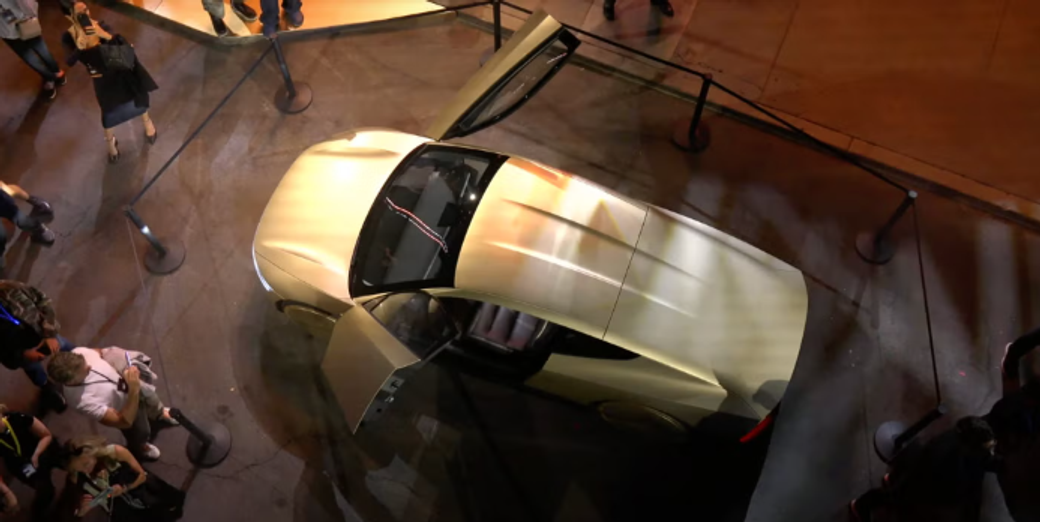
Tesla has "solved for unsupervised autonomy" with its Cybercab, according to Future Fund managing partner Gary Black.
Black argued, however, that rising rivals and a high valuation represent the bigger threats to the company, rather than the underlying technology.
A crowded field closing the gap
Black said Alphabet, Baidu, Pony.ai, WeRide and Amazon-backed Zoox now combine for more than 1 million weekly rides between them.
He expects a handful of other companies to reach fully unsupervised operations within 18 to 24 months, he said in a post on X.
Why valuation, not engineering, is the sticking point
Black flagged Tesla's stretched valuation multiples, pointing to a price-to-earnings ratio of 213 for 2026 and PEG ratios that far exceed those of its peers.
He argued that valuation, rather than engineering, is the main issue facing the company.
The debate is already moving markets
The conversation has spilled into markets, with Uber shares falling as analysts weighed how a growing robotaxi fleet could squeeze margins in traditional ride-hailing.
Uber itself is already testing the technology, running robotaxis on London's streets with human safety operators on board, as it phases toward a fully driverless service through partnered autonomy suppliers.
Separately, Uber has hired banks for a debut euro bond offering, a financing step that comes as competition in autonomous vehicles and regulatory scrutiny reshape the company's capital needs.
Tesla takes the show to China
Tesla is taking its own marketing push further afield, planning to exhibit the Cybercab in China in a move that could sharpen perceptions of its lead in the robotaxi race.
"Let's move the discussion forward," Black wrote, framing the debate as one the market has yet to properly resolve.
Read more about Tesla