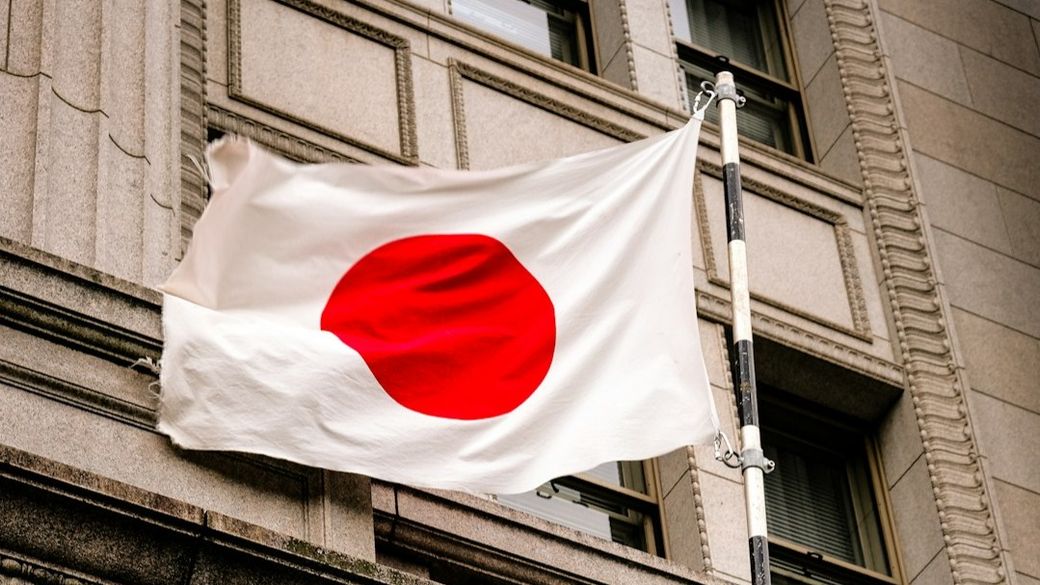
Japan's subsidy regime is real and generous, and it has already pulled in Micron's $10 billion Hiroshima expansion with up to 500 billion yen of state backing.
But South Korea also subsidises its own chip clusters heavily, so cheaper money alone does not explain a second, unbudgeted fab.
The more persuasive driver is proximity to Japan's equipment and materials base, which remains one of the deepest in the world for lithography, photoresist and speciality chemicals.
Building memory capacity closer to those suppliers shortens lead times and reduces exposure to any future disruption in that supply chain.
Kioxia gives Hynix a reason to be in Japan anyway
SK Hynix's convertible bonds in Kioxia, worth a stake of around 14.19%, already give it a large, awkward foothold in Japan's chip industry.
A joint venture would let SK Hynix convert a passive financial position into an operating one, without the antitrust exposure of an outright takeover.
It would also strengthen SK Hynix's hand in NAND flash, where it trails Samsung and where Kioxia is a natural, geographically adjacent partner.
Geopolitics is the quiet factor
The clearest strategic logic is diversification away from a single-country manufacturing base, at a time when AI customers are pushing suppliers to de-risk their own supply chains.
Japan sits inside the same US-aligned trade architecture as South Korea, so a Japanese fab adds resilience without adding geopolitical complexity.
That matters more to hyperscaler customers than headline capacity numbers, since a second production country reduces the risk of any single point of failure.
The capacity question still lingers
None of this fully answers why SK Hynix needs more capacity so soon after committing 54 trillion won to Yongin-Honam and breaking ground in Indiana.
The likeliest explanation is that this is about supply chain positioning and customer reassurance as much as raw output, which is why Chey has been careful to frame it as a review rather than a commitment.