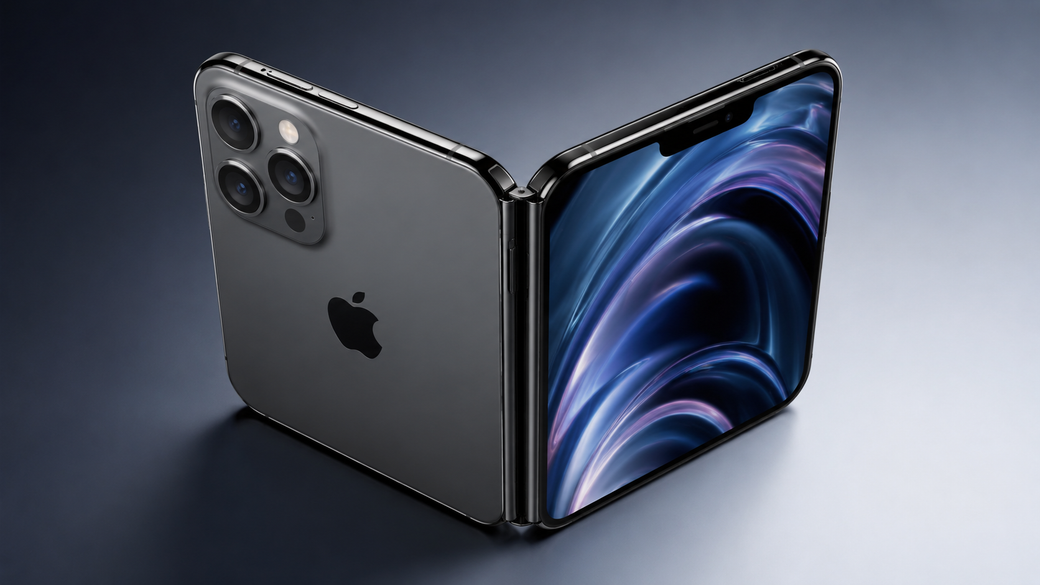
Apple's iOS 27, unveiled at WWDC on Monday, contains references to folding hardware and UI adjustments designed for larger, adaptable displays. The code accommodations are the clearest public indication that a foldable iPhone is imminent.
Bloomberg has reported the device is expected to debut in September alongside the iPhone 18 Pro family, with a starting price of around $2,000. If the timeline holds, Apple will have taken roughly five years longer than Samsung to enter the foldable market.
That delay is either catastrophic or deliberate, depending on how you read Apple's history.
What the code reveals
iOS 27 includes system-level adjustments for expanded displays and hinge-based form factors. Apps and interfaces are being prepared for screens that change shape, which means the software foundation for a foldable device is being laid in the same update cycle as the expected hardware launch.
Apple does not ship software accommodations for products it is not building. The code references are not speculation. They are preparation.
$2,000 question
Samsung's Galaxy Z Fold launched in 2019 and has gone through six generations of iteration. The current model starts at roughly $1,800. Huawei, Xiaomi, Honor and Google have all shipped foldables. The category has moved from experimental curiosity to established product line.
Apple entering at $2,000 positions the device as a premium product, above the Galaxy Z Fold and in line with Apple's historical approach of launching new categories at the top of the market before expanding downward.
The risk is that Samsung has spent five years refining durability, hinge mechanisms and crease visibility. Apple is shipping version one. First-generation Apple hardware is typically polished but limited, with the most useful features arriving in subsequent iterations.
Why being late might not matter
Apple was late to large-screen phones. The iPhone 6 Plus arrived years after Samsung proved the market existed. Apple captured the premium segment within two quarters.
Apple was late to smartwatches. The Apple Watch launched after several Android Wear devices. It now dominates the category with more than 50% global market share.
The pattern is consistent: let competitors validate the category, study their mistakes, ship a refined version and capture the customers who were waiting for Apple to enter.
Foldable phones have not achieved mass adoption. Global shipments remain a fraction of the total smartphone market. The category has proven the concept but not the demand. Apple's entry, with its installed base of more than 2 billion active devices, is the event that determines whether foldables become mainstream or remain a niche.
Samsung built the market. Apple is about to find out whether it can take it.