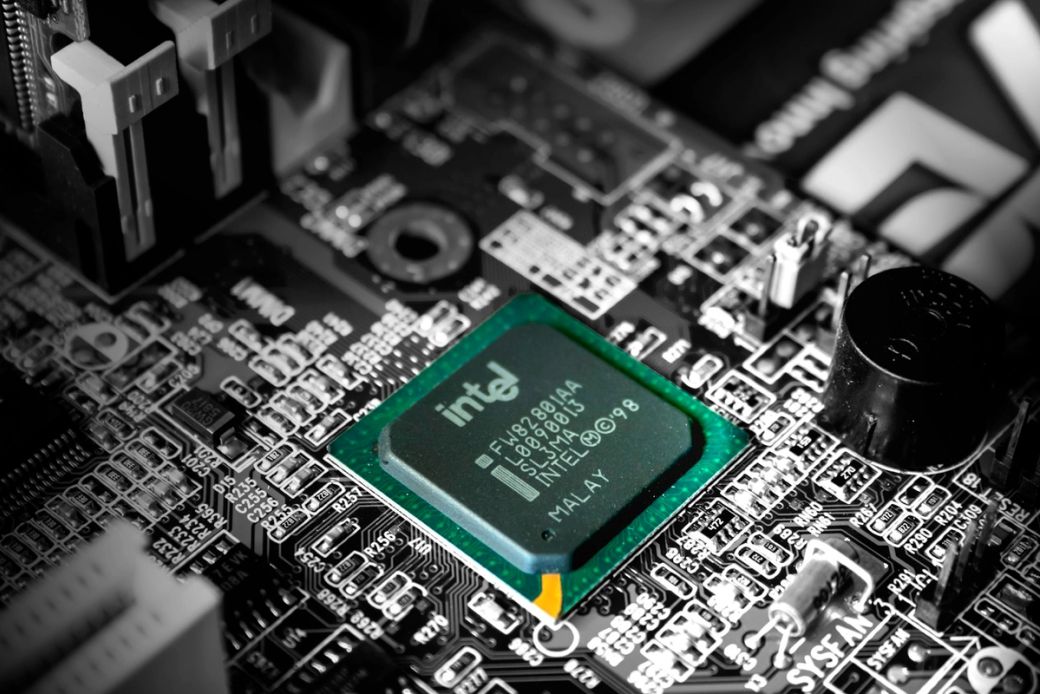
Intel, the American semiconductor giant, has begun fitting out a new chip factory in Arizona, a milestone that Wall Street views as a positive sign for the company's ability to meet surging demand from the artificial intelligence industry.
The factory, known as Fab 62, is located at Intel's Ocotillo campus near Chandler, Arizona, and is expected to be up and running by the end of 2028.
Installing production equipment is the most expensive phase of building a chip plant, and its start signals that Intel has moved from construction into the final stretch before manufacturing can begin.
Matt Bryson, an analyst at Wedbush Securities, said the milestone matters because Intel is currently struggling to produce enough of its Xeon data-centre processors to meet customer demand, with that shortage holding back both revenue and the company's ability to sell its most profitable products.
Xeon chips power the servers that run AI applications, and demand for them has risen sharply as companies race to build out the computing infrastructure that modern AI requires.
Fab 62 sits next to Fab 52, which is already producing chips using Intel's latest 18A manufacturing process, making it the sixth high-volume factory at the Ocotillo site.
Intel has not yet said which of its manufacturing processes Fab 62 will use or how much capacity it will eventually carry, though Wedbush's view is that the factory gives investors confidence that Intel will have meaningfully more chip-making capacity available from 2028 onwards.
The Arizona expansion is part of a broader effort to build semiconductor manufacturing capacity in the United States and its allies.
Intel is also spending $5.7 billion to expand Xeon production in Ireland, and raised its overall capital spending plan to more than $20 billion for 2026 in July, with further increases expected next year.
Not all of Intel's factory plans are on track, however, with its large Ohio site having slipped from an original 2025 start date to 2030 or 2031 for its first building, proceeding only once demand justifies the investment.
Read more about Intel