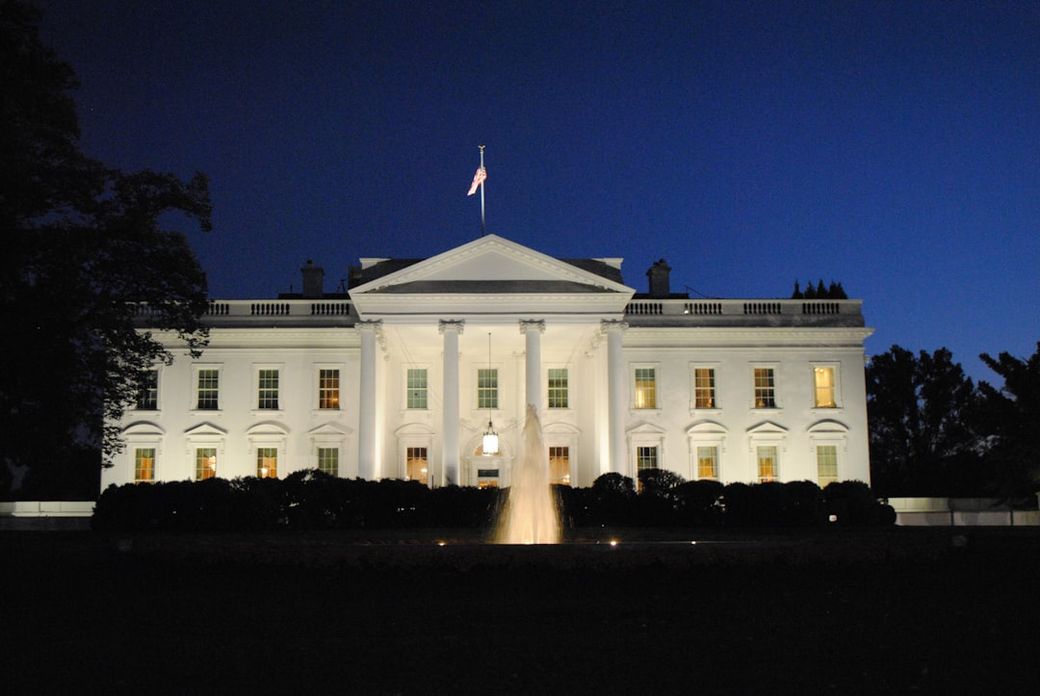
Microsoft is lobbying the White House against a possible ban on Chinese-made optical transceivers, warning it could stall the building of AI data centres, according to Reuters.
The company has met officials from the Office of Science and Technology Policy and the National Security Council to argue against the move, which is being considered by the Federal Communications Commission (FCC).
It is working alongside the Information Technology Industry Council (ITI), a trade group for the tech industry.
Optical transceivers are small devices that turn electrical signals into light, allowing data to travel through fibre-optic cables between AI chips and servers.
Large AI facilities can need millions of them.
China dominates
Chinese companies, including Eoptolink and Zhongji Innolight, control about 66% of the global market.
The Pentagon lists Innolight as a company linked to the Chinese military.
Only two US companies, Coherent and Lumentum, make rival products, and neither can produce enough to fill the gap quickly.
John Miller, ITI's head of policy, said a ban could bring the roll-out of data centres to a halt.
He warned that AI chips could sit unused without transceivers to connect them.
The Huawei precedent
The FCC fears Chinese-made equipment could be used for spying, hacking or remote sabotage, the same concerns that led to its action against Huawei.
However, unlike telecoms equipment, there are few non-Chinese alternatives for transceivers.
One option under consideration would ban only the fastest Chinese transceivers, capable of 3.2 terabits per second.
Morgan Stanley has said these are unlikely to be widely produced until 2028, with broad use around 2029, giving US suppliers time to catch up.
Microsoft is building 35 data centres in the US and has another 134 planned.
Read more