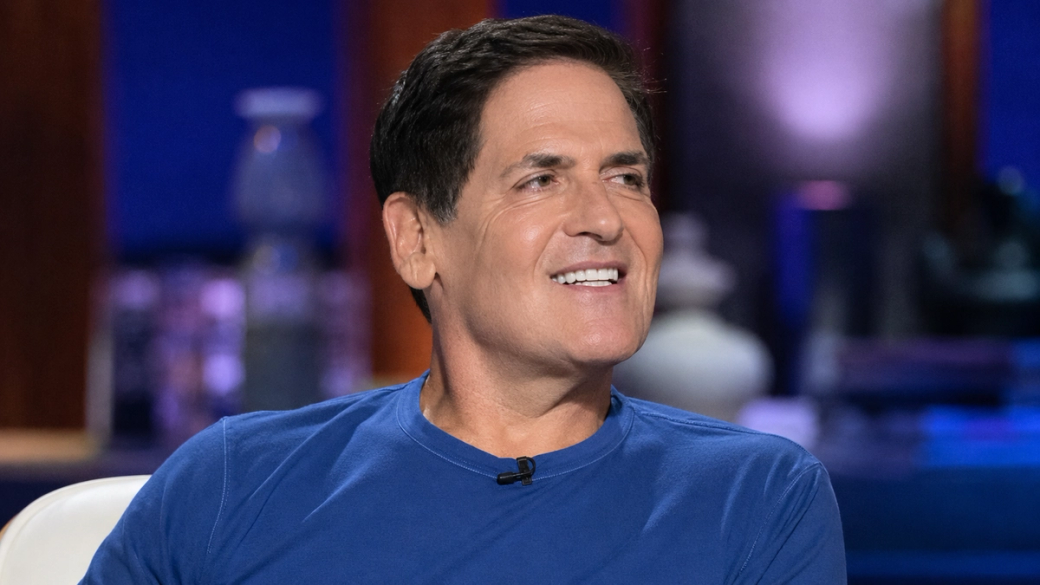
Mark Cuban, the billionaire entrepreneur, pushed back on claims that AI is already a better doctor than most humans, warning that entrenched intermediaries will frustrate deployment.
He said physicians spend at least 25% of their time dealing with healthcare conglomerates and argued insurers, pharmacy benefit managers and other intermediaries have incentives to preserve opaque pricing that AI could expose.
“For every future agent we give AI doctors to deal with this friction, and to improve the quality of care, the conglomerates will have multiple adversarial agents doing all they can to delay and deny,” Cuban wrote on X.
His post responded to venture capitalist Marc Andreessen’s endorsement of an OpenAI finding that physicians identified fewer flaws in GPT‑5.6’s medical responses than in doctor‑written answers.
Cuban urged developers and employers to stop working with the conglomerates and to build agents that define, optimize and contract directly with providers to eliminate unnecessary middlemen.
The debate comes as broader adoption grows: a West Health‑Gallup survey cited in the conversation found 25% of U.S. adults have used AI for health information while only 4% strongly trust its accuracy and 11% reported receiving unsafe advice.