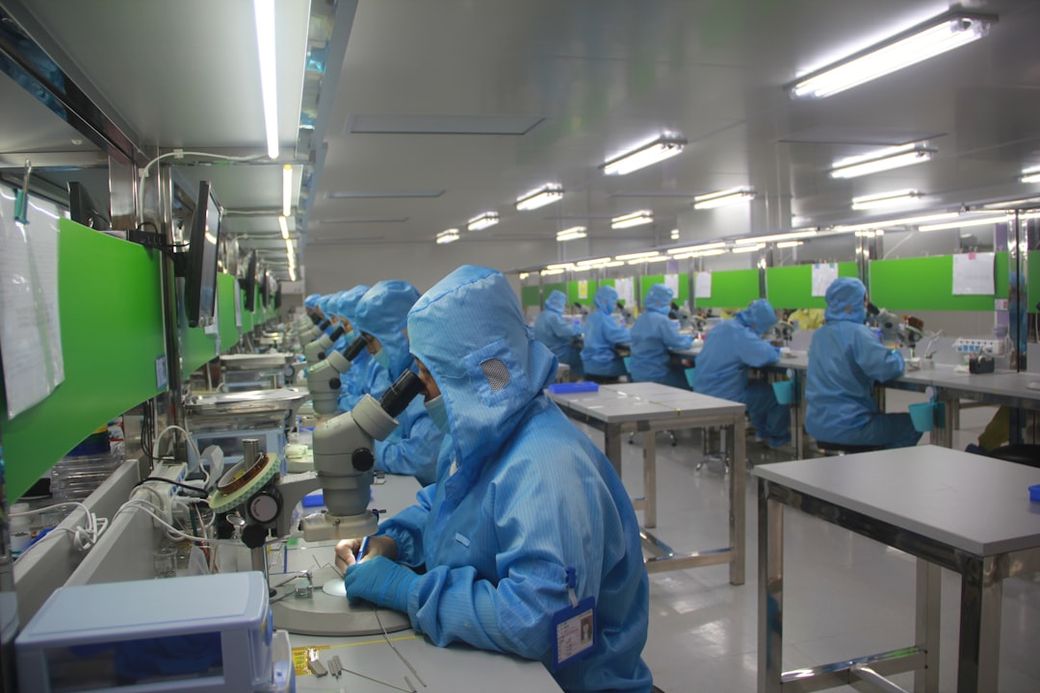
Likang Life Sciences has broken ground on what developers say is China’s first production line for AI-assisted personalised tumour vaccines, due to be completed in October in the Beijing Economic and Technological Development Zone.
The Beijing-based cancer‑vaccine developer will invest about 110 million yuan (US$16.1 million) to build a research and manufacturing centre that will house cell therapy laboratories and a production line for LK101, which analyses each patient’s tumour DNA to pinpoint the genetic mutations driving the disease and, the company said, can complete the procedure in a day, the district government said.
"AI offers a compelling solution by automating manual workflows, improving diagnostic accuracy and enabling personalised treatment strategies," said Alec Stranahan, senior research analyst of small- and mid-cap biotechnology at Bank of America.
China recorded about 5.15 million new malignant tumour cases in 2024, with 2.67 million in men and the rest in women, according to the National Cancer Centre, and cancer is the nation’s second‑leading cause of death, the Chinese Centre for Disease Control and Prevention said.
Bank of America estimated the global AI healthcare market could exceed US$1 trillion by 2035.
The push to embed AI in medicine has already spawned large commercial deals, including a pact worth up to US$2.5 billion between Insilico Medicine and South Korea’s SK Biopharmaceuticals to use Insilico’s AI drug discovery tool, according to a June 22 filing.