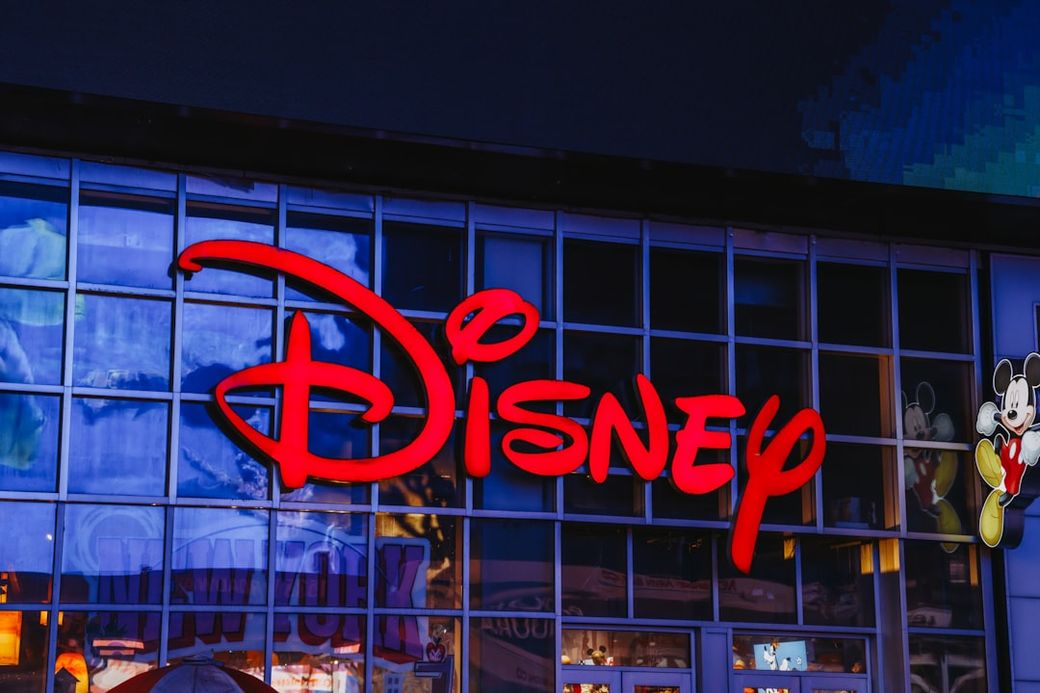
Disney is exploring what it calls an everything app, a single Disney+ interface for booking cruises, managing park rides, buying toys and watching Hulu.
Everything apps are not products. They are organisational charts rendered as user interface, and they are almost always proposed by executives rather than by anyone who has shipped software.
The reference point invoked in these meetings is always WeChat, and WeChat is always the wrong reference point.
It works because of a specific Chinese regulatory settlement, a leapfrogged payments infrastructure and a state that has an interest in the arrangement, none of which exists in the United States and none of which can be conjured by a product team in Burbank.
The honest motivation is simpler. Persuading people to download five apps is hard and expensive, and maintaining five apps is also expensive.
The predictable result is that each screen inside the mega-app becomes its own cost centre, defended by its own team, and the thing is worse than the five apps it replaced.
Beneath this sits the metric that now governs the entire entertainment industry.
The business has moved from measuring engagement, which gave us a decade of deliberately enraging content, to measuring time spent, which is worse.
Time spent has no natural ceiling and no quality floor, so platforms compete against sleep, against video games, against each other, and the method is treated as irrelevant provided the number goes up.
Disney has said openly that it wants TikTok videos on Disney+ to deepen subscriber engagement, and it is launching a creator ambassador programme.
Facebook is testing a vertical video feed on open. Everyone is copying the same homework.
The trap is that studios cannot win this game on these terms.
TikTok, YouTube and Instagram do not pay for the overwhelming majority of what they show. Disney pays for all of it, at the highest rates in the industry, and then competes for the same idle minutes.
Licensing Marvel and Star Wars characters to creators and licensing the results back into Disney+ is a cheap-content strategy wearing a community-building costume, and audiences work these things out quickly.
A free ad-supported tier is coming, whatever Josh D'Amaro says about having nothing to announce, because ad-funded viewers now often generate more than subscribers do.
And yet the same weeks that produced this strategy have produced record box office takings.
People will still leave the house, pay a premium and sit in the dark with strangers for something made properly and at scale.
That is the one thing Disney can do that TikTok cannot.
Spending the company's scarcest resource, senior attention, on a cruise booking tab inside a streaming app is a strange way to defend it.