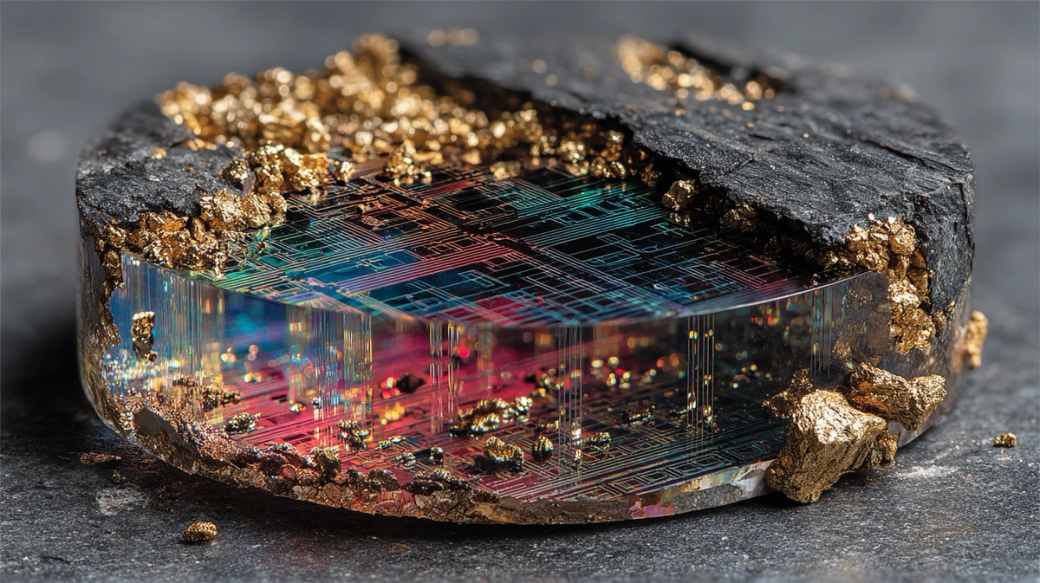
Nvidia used Computex 2026 to announce something that matters more than the spec sheets suggest: every future generation of its chip architecture will include a version designed for laptops and desktops.
The first product is the Grace Blackwell RTX Spark Superchip, which pairs Nvidia's server-grade processor with its graphics technology in a single package for PCs. That is followed by Vera Rubin Spark and, further out, Rosa Feynman Spark, each using progressively faster memory.
This is not a one-off product launch. It is a multi-generation commitment to Windows on Arm, and it is aimed squarely at Intel and AMD.
Why this matters for normal people
For years, the processors inside laptops and desktops have come from two companies: Intel and AMD. Apple broke that duopoly on its own machines with its M-series chips, but the Windows market has remained a two-horse race.
Nvidia is now entering that race with technology originally built for data centres and AI servers, scaled down to fit inside a laptop. The pitch is that AI features, the kind that let your PC run local AI assistants, generate images and automate tasks without sending data to the cloud, need the kind of processing power that only Nvidia's architecture can deliver efficiently.
The multi-generation roadmap is the important part. PC manufacturers and software developers will not invest in a new chip platform unless they believe the company behind it will still be making chips for it in five years. Nvidia is making that promise explicit.
The DGX Station is for a different audience entirely
Alongside the laptop chips, Nvidia announced Windows on Arm versions of its DGX Station, a high-end desktop that pairs a 72-core processor with a GPU capable of 15 petaflops of AI performance. That is roughly the power of a small data centre from a few years ago, sitting under a desk.
These machines are not for consumers. They are for researchers, developers and companies that need to run AI models locally rather than renting cloud compute. The price will be substantial, but for organisations handling sensitive data that cannot leave the building, the value proposition is clear.
The real play is the ecosystem
Nvidia was explicit about the strategy. This is not about shipping a chip. It is about building a partner ecosystem across PC manufacturers, Microsoft and software developers to make AI features work properly on Windows.
That is harder than it sounds. Windows on Arm has a troubled history of software compatibility issues and developer indifference. Nvidia is betting that its brand, its developer tools and its multi-generation commitment will succeed where Qualcomm's efforts have struggled.
If it works, Nvidia adds a third major revenue stream alongside data centres and gaming. If it does not, Intel and AMD keep the PC market to themselves.
The roadmap suggests Nvidia thinks it will work. The three-generation commitment is not the kind of investment you make on a hunch.