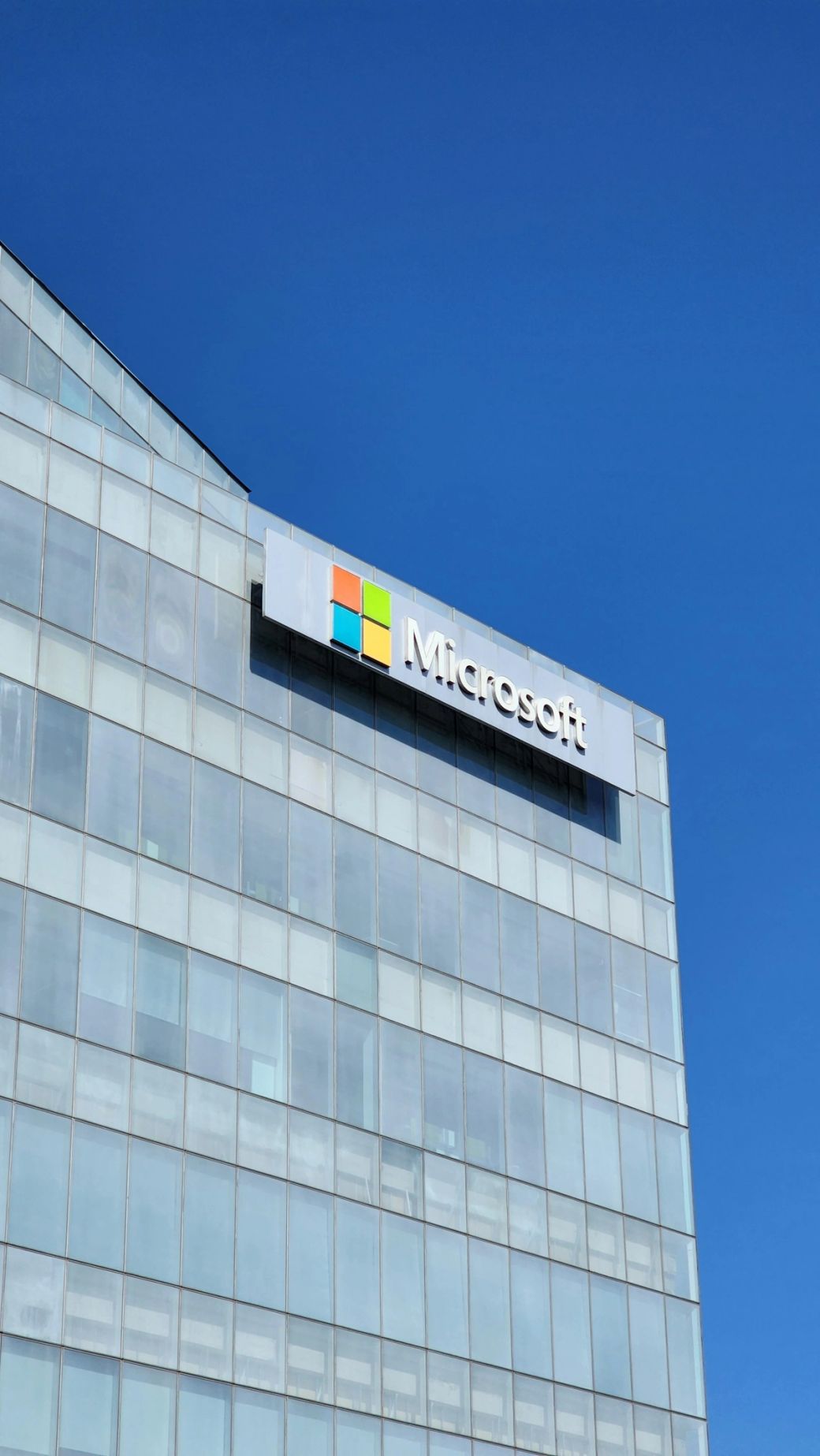
Microsoft trades at roughly $2.9 trillion. One sum-of-the-parts analysis puts its worth as high as $3.8 trillion. The gap is not explained by its OpenAI stake, which is worth a couple of hundred billion dollars at most.
Trading below the parts
The re-examination follows a 20% slide in the shares this year, steeper than hyperscaler peers such as Google and Amazon. Conglomerates tend to trade below the value of their separate units, because different investors prize different businesses. The argument here is that the discount on Microsoft has grown too steep. Split the company into cloud, software and personal computing, and the maths tells the story.
Cloud carries the value
Cloud is the fastest-growing and most prized piece, expanding at about 40% a year on the back of Azure. Its margins, near 42%, sit below the core software business, which raises the prospect of margin dilution over time. Even so, the unit is valued at between $1.4 trillion and $1.7 trillion. That single bucket accounts for close to half of the higher figure.
Software faces the disruption question
Software remains the largest and most profitable business, with operating margins around 58%. Growth has slowed to the high teens, and the unit looks exposed to AI tools and rival software firms. Its shares have tracked Salesforce and ServiceNow rather than Alphabet, dragged by SaaS-apocalypse fears. The analysis values it near $1.7 trillion. Goldman Sachs has pitched it closer to $500 billion, a spread that shows how contested the number is.
A small unit and a stuck discount
Personal computing, covering gaming and Surface PCs, is the smallest line at about 20% of revenue. Margins run in the low 20s, and the unit is valued near $350 billion against peers such as Apple, HP, Sony and Electronic Arts. Growth there is slowing, and the gaming division is going through a leadership shake-up.
Two worries keep the discount in place. Investors doubt that heavy capital spending on cloud will be repaid by AI revenue. They also question whether Microsoft can keep pace technologically. Its Copilot assistant is promoted hard, yet customers use it because it comes bundled, not out of clear preference. Until that changes, the parts may stay worth more than the whole.