The headline claim from Elon Musk's post on X is that in-house casting of turbine blades and vanes could pull generator deliveries forward by 18 months.
That then treats this as a supply chain fix, but the more interesting detail is what SpaceX is actually drawing on to attempt it.
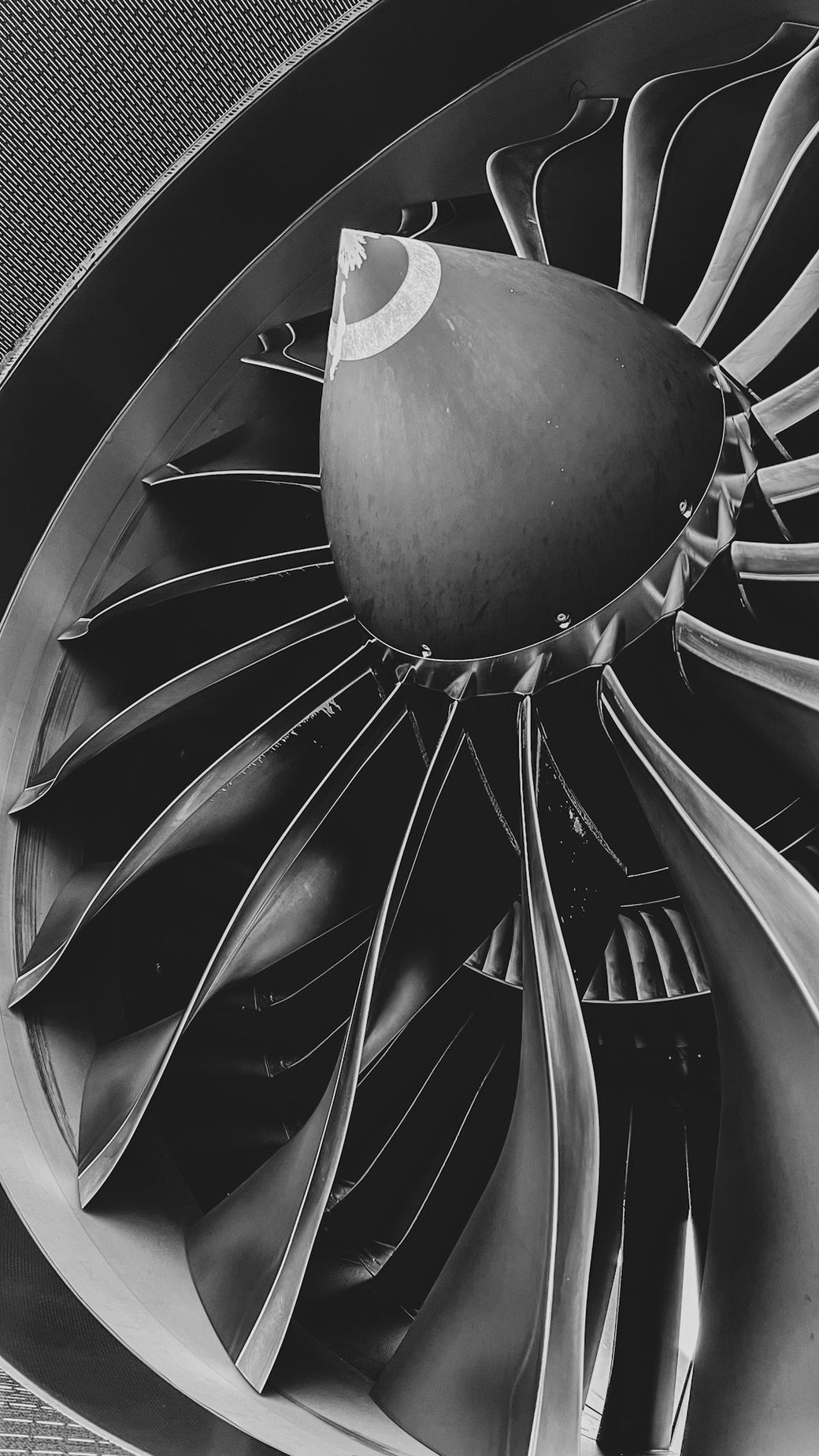
Turbine blades for power generation are cast as a single, unbroken crystal grown slowly inside a vacuum furnace, the same specialised process SpaceX already uses to cast turbopump components for its Raptor rocket engines.
Morgan Stanley analyst Adam Jonas has noted the Bastrop, Texas facility could serve both the Raptor programme and data centre turbines, spreading the same alloys, furnaces and skilled labour across two businesses.
Three companies, and now a fourth
What gets lost in the "Musk does everything" narrative is how narrow the turbine casting industry actually is.
Musk himself has said only three casting companies in the world make these blades at scale, and all three are massively backlogged into 2030.
If SpaceX can genuinely replicate that process, even partially, it is not simply skipping a queue, it is inserting a new, vertically integrated competitor into one of the most technically guarded parts of heavy industry.
That has implications well beyond SpaceX's own power needs, since a credible fourth entrant could eventually pressure pricing and lead times for GE Vernova, Siemens Energy and Mitsubishi Power, the incumbents currently setting the terms of that 2030 backlog.
Execution risk sits in the metallurgy, not the ambition
The caveat is that single-crystal casting at power-turbine scale is considerably harder than at the smaller sizes used in rocket engines or jet turbines, and defects are correspondingly more costly.
Read more about SpaceX
SpaceX has not disclosed yields, timelines or whether the Bastrop site has secured the environmental permits needed to operate at scale.
That leaves a wide gap between Musk's 18-month claim and a foundry that can reliably produce blades free of the microscopic seams that cause turbines to fail under stress.
A pattern worth tracking, not just this deal
Set against SpaceX's parallel efforts in chip fabrication, chip design and now turbine metallurgy, the pattern is one of a company willing to insource any bottleneck standing between it and 10 gigawatts of AI compute by the end of 2027.
Whether that ambition is a genuine structural advantage over hyperscalers renting power, or simply another variable that has to land correctly among many, is the more useful question for now than the 18-month figure itself.