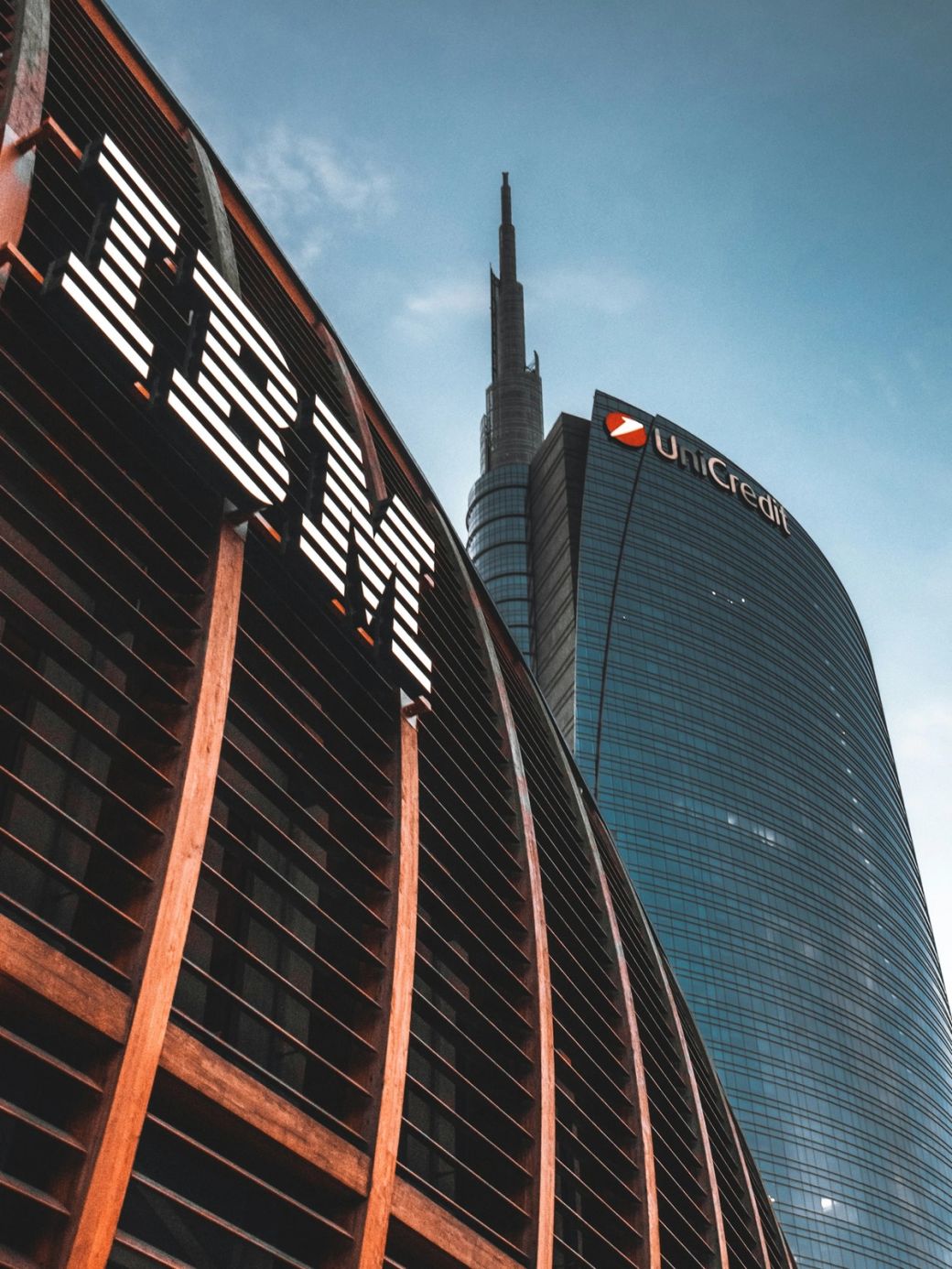
A 1% revenue miss does not usually cost a company a quarter of its value. IBM's did. Preliminary second-quarter revenue of $17.2bn came in about $660m under the $17.86bn consensus, and the shares fell 25.21% to $217.07. Operating earnings of $2.93 a share missed the $3.02 estimate, though they still rose 5%. The number was not the problem. The explanation was.
Arvind Krishna did not soften it. IBM "faltered," the chief executive wrote to investors, saying it did not move quickly enough and that numerous large deals failed to close on the expected timelines. Chief executives rarely write that sentence. The market read it as a franchise question rather than a timing one.
Where the money went instead
The detail beneath the headline is what unsettled investors. Infrastructure revenue fell 7%, driven by weaker Z mainframe sales and the transaction-processing software that rides on them. Software still grew 5%, consulting was flat, but the mainframe is where IBM's margin lives. Its machines handle 87% of financial transactions and serve 44 of the world's 50 largest banks.
Krishna's account of the shortfall points outward. In the final weeks of June, enterprise customers moved capital spending toward servers, storage and memory, racing to lock in supply before prices rose. That squares with what the chip market has been signalling all month, as memory makers and foundries flag increases into 2027. IBM was not outsold. It was queue-jumped by customers protecting themselves against a shortage elsewhere.
The Mythos problem
The second cause is stranger and harder to model. Krishna said security concerns paused a small number of large mainframe deals, with buyers reassessing cybersecurity budgets late in the quarter. "Mythos is making people pause," he said. Anthropic's model has unnerved enterprises with its ability to surface flaws in existing software and encryption, pushing firms to redirect spending toward defence.
IBM's answer arrived alongside the miss. It launched Lightwell, a $5bn commitment with more than 20,000 engineers, aimed at open-source vulnerabilities, already live with Bank of America, Goldman Sachs, JPMorgan and Visa. It also signed a letter of intent with the Commerce Department for a quantum wafer foundry, Anderon, and pledged more than $10bn to quantum over five years.
What the market repriced
Read together, the picture is not of a bad quarter. It is of an AI cycle rearranging enterprise budgets faster than IBM's slowest, most profitable business can respond. Mainframe deals are large, long and lumpy, and they lose to anything more urgent. HSBC cut the stock to Reduce on a stretched valuation. Full results land on 22 July. The question then is whether June's pause was deferral or the start of a rotation IBM cannot price back.