Tesla has renamed its driver-assistance software "Tesla Assisted Driving" across its European websites, retiring the "Full Self-Driving" label that regulators and critics said oversold the system's capabilities.
The change makes explicit what Tesla's fine print has long said: the system requires a driver ready to take control at any moment, and the driver retains full liability.
In the United States, Tesla is keeping the existing name, "Full Self-Driving (Supervised)," even as the NHTSA opened an investigation in October 2025 into reports of the software moving into oncoming lanes or running red lights.
German intervention
The rebrand follows what Germany's Transport Ministry described as a "constructive agreement" with Tesla on technical and liability terms, under which the assistance system may exceed the speed limit by no more than 10% and drivers remain "100% responsible for safe vehicle operation."
According to the ministry, Tesla itself proposed the name change to Assisted Driving, and Transport Minister Steffen Bilger said he now supports Europe-wide approval.
The system remains approved in only a handful of European markets so far, including the Netherlands, Lithuania, Estonia, Denmark, and Belgium.
No lidar
Unlike Waymo and other robotaxi developers, Tesla relies solely on cameras rather than lidar, an approach Elon Musk defends as sufficient despite criticism from rivals and safety experts.
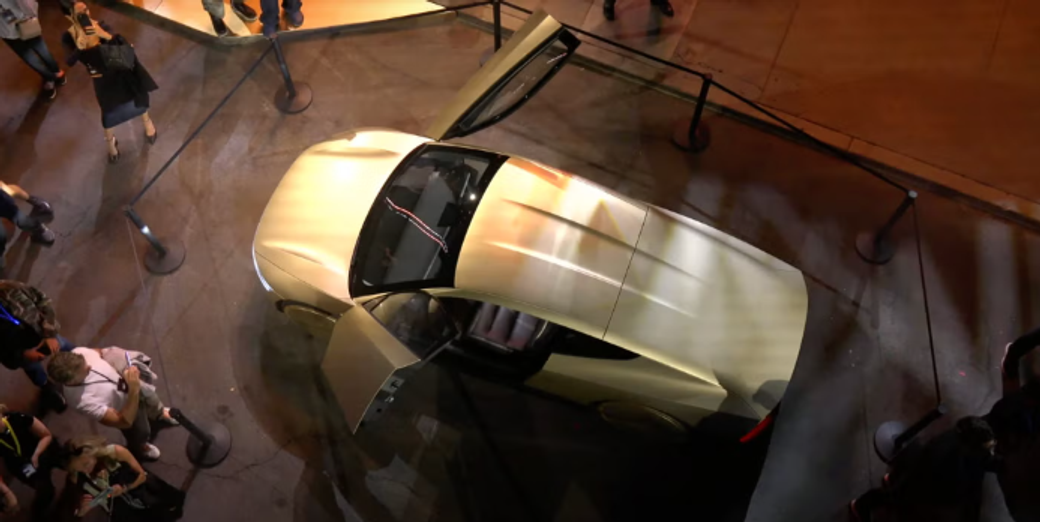
The company has so far deployed only a small number of unsupervised self-driving vehicles, even as it begins robotaxi production with its pedal-free, steering-wheel-free Cybercab.