Wedbush, fresh from a week of meetings across Asia, reported that inputs from the chip supply chain were nearly all positive. Memory demand resumed in September, setting up another round of price rises.
Copper clad laminate supply has tightened, handing makers pricing power with visibility stretching to 2028. Accelerator builds are being revised sharply higher, and the broker flagged especially strong forecasts for Google's TPU chips. Optics vendors are guiding to triple-digit growth. In Wedbush's words, only green flags.
Wall Street isn't buying it
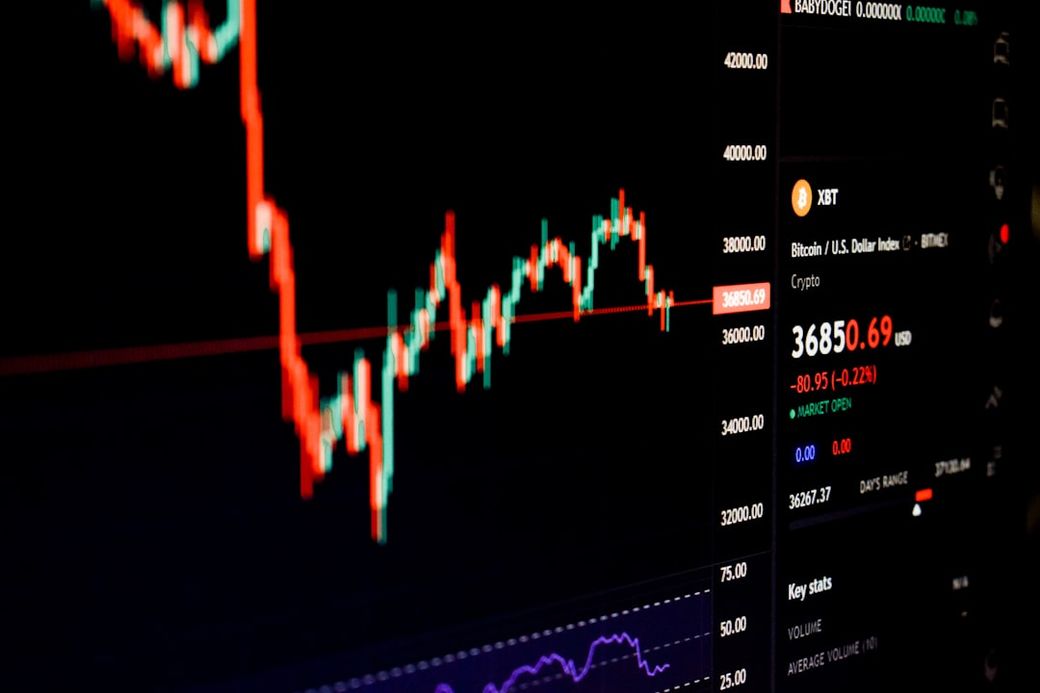
US stocks sank on Monday, with the Nasdaq Composite down 1.2% and chip names leading the retreat. Nvidia fell 3%, while Marvell, SK Hynix, Micron and Super Micro all dropped around 6%.
The trigger had nothing to do with order books. It came from the two leading frontier AI labs. Anthropic chief executive Dario Amodei argued in a 3,800-word essay that the industry should slow the pace of model development to let safety catch up, and OpenAI's Sam Altman agreed.
For a market that has banked on relentless improvement, the idea of the pace-setters themselves calling for a curb struck at the demand thesis underpinning the entire trade.
Two ways of measuring the same boom
That is the heart of the disconnect. Wedbush is measuring physical demand: factories full, buyers queuing, prices firming. The market is repricing a risk that sits above all of that, namely whether the AI buildout that fills those factories keeps expanding at the assumed rate.
Other pressures compounded the mood.
Brent crude held near $108 a barrel after Saudi Arabia shut a key pipeline, the 10-year Treasury yield pushed towards 5%, and traders now put the odds of a Federal Reserve rate hike on Wednesday at nearly 90%.
For now, the supply chain and the stock market are telling two different stories. The order books say the boom is intact. The tape says investors have started to wonder how long the pace can hold.