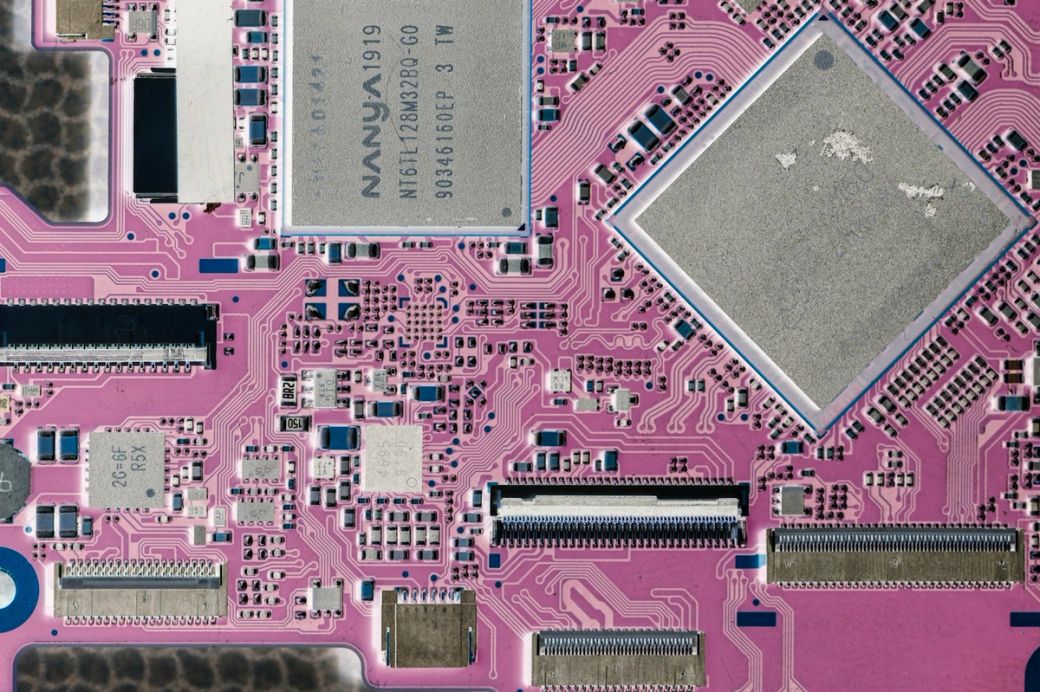
.OpenAI has unveiled its ChatGPT-6 Astra model, a release that reignited investor interest in memory-chip manufacturers.
The launch reintroduced expectations that frontier AI models will keep pushing capability forward, rather than plateauing.
Why memory chips are back in focus
Traders said Astra's performance claims, combined with OpenAI's wider infrastructure push, sharpened expectations for increased demand for high-bandwidth memory (HBM) and DRAM chips.
Both types of memory are essential components in the vast server clusters that train and run large AI models.
That dynamic first lifted shares in American semiconductor companies before spilling into Asian trading, where Samsung, SK Hynix and Kioxia all featured in the rally.
The reaction also reflected a sense among traders that Astra marked a competitive step forward for OpenAI over its rivals.
The AGI claim in the background
The launch landed just months after Nvidia's chief executive, Jensen Huang, declared that he believed artificial general intelligence had already been achieved, a remark that added to bullish sentiment around the sector.
Parts of the market and other commentators pushed back on that framing, arguing the claim rests on contested definitions of what AGI actually means.
OpenAI's own researchers have separately warned of wider consequences as models grow more capable, a caution that sits somewhat uneasily alongside the market enthusiasm.
Safety warnings alongside the hype
OpenAI also cautioned about risks tied to AI agents and safety when rolling out Astra.
That admission keeps regulatory and technical scrutiny focused on how far increased model capability can translate into sustained spending on data centre memory.
For now, investors appear to be betting that the answer is: significantly further still.
Read more about OpenAI