Among the technology giants reporting earnings this season, the pattern was consistent.
The cloud companies are spending enormous sums on artificial intelligence, and they can point to customers queuing for capacity they cannot yet supply, which makes the spending look like a shortage to be filled rather than a bet to be justified.
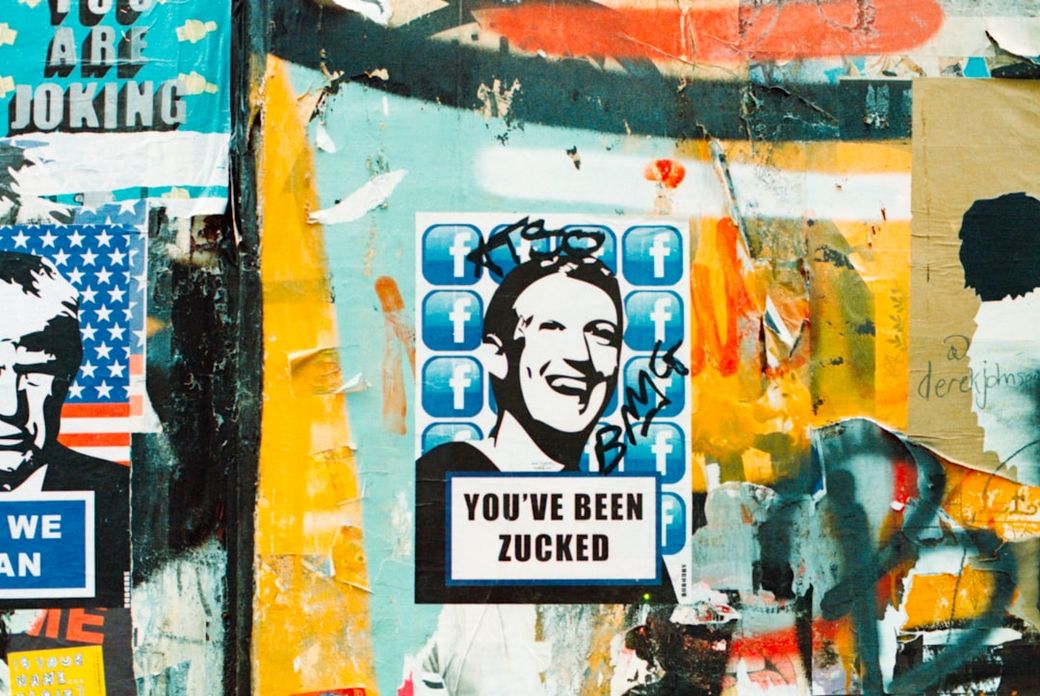
Then there is Meta, which does not fit the pattern at all.
Money without customers
The awkward fact about Meta's AI buildout is that it has no outside customers for it.
The other hyperscalers rent their computing power to a hungry market, so every dollar of capital expenditure is underwritten by demonstrable demand.
Meta is pouring comparable sums into infrastructure it uses only for itself, and Mark Zuckerberg has openly wavered on whether he even wants to enter the business of renting it out.
That is an interesting position for a chief executive to hold, because it means the entire investment case rests on internal returns rather than the market's verdict.
The most obvious way to de-risk the spending, letting others pay to use the machines, is a door Zuckerberg says he is not sure he wants to walk through.
Strains belief
What the spending is meant to deliver is where scepticism hardens into disbelief.
Zuckerberg has described a near future, within five years, in which everyone has a personal super agent capable of managing the intimate machinery of a life, from romantic relationships to running the home.
It is a genuinely radical claim, and radical claims are exactly what a founder with unusual control over his company and few external checks is free to fund at scale.
The trouble is that observers are being asked to accept a colossal present cost against a payoff that reads less like a product roadmap and more like an article of faith.
Every technology company sells a story about the future, but most anchor it to something a customer is already paying for today.
Meta is asking the market to trust the destination while the meter runs.
Discipline and points of difference
None of this means Zuckerberg is wrong. He has been early and correct before, most notably in mobile, and a company that only ever builds what customers already want will never build anything genuinely new.
But there is a meaningful difference between visionary spending that keeps an option open and visionary spending that forecloses the safest route to a return out of apparent disinterest.
Meta could turn its infrastructure into a business tomorrow and let paying customers subsidise the dream.
That it chooses not to, while committing sums that would sink a less profitable company, is the part that should give shareholders pause.
The rest of big tech is spending heavily on AI and can show you the buyers.
Meta is spending just as heavily and asking you to imagine them, and imagination, however grand, is the one thing an earnings call cannot price.