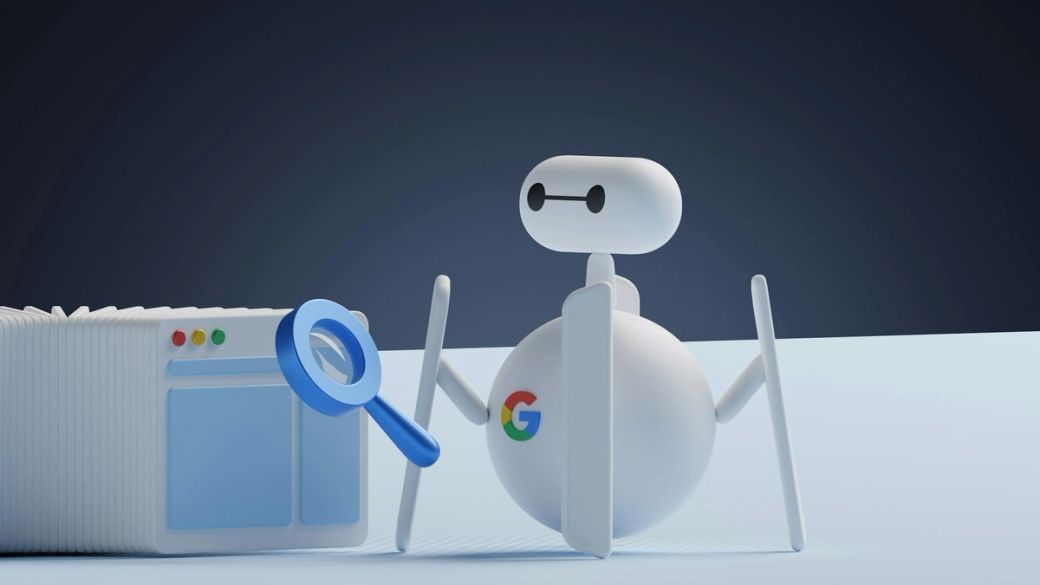
There is a growing constituency of internet users who do not want AI in their products, and Google is doing everything possible to radicalise them.
DuckDuckGo has seen a 30% increase in installs, driven largely by users who are tired of Google's AI Overviews mangling their search results. The alternative search engine is now actively marketing itself as the anti-AI option.
Google's credibility problem
The issue is not that Google is incorporating AI. It is that the AI is visibly worse than the product it is replacing. Search queries return incorrect information. Spelling corrections are wrong. The AI confidently misstates basic facts.
When your core product is organising information and making it accessible, confidently presenting wrong information is not a feature. It is an existential brand risk.
Google is simultaneously trying to be an information retrieval system and a commercial transaction platform, and it is failing at both. The AI push is supposed to make search more useful. Instead it is making users question whether the results can be trusted at all.
The startup opportunity
The backlash is creating space for products that explicitly market themselves as AI-free or human-first. Some startups are already removing AI branding from their marketing. Others are emphasising human authorship as a differentiator.
This is not a niche. A meaningful percentage of consumers actively distrust AI-generated content and will pay, or at least switch, to avoid it.
The opportunity is real but tricky. "We do not use AI" is a positioning statement that becomes harder to maintain as AI becomes embedded in every layer of the software stack. The companies that succeed will be the ones that use AI invisibly in their operations while presenting a human-first experience to users.
The polarisation problem
The AI discourse has split into two camps that cannot hear each other. One camp believes everyone is using AI and loving it. The other believes nobody wants it and everyone hates it. Both are wrong.
The reality is messier. Most people use AI without knowing it and are fine with that. A smaller but vocal group actively resists it. An even smaller group has built their workflows around it and cannot imagine going back.
The companies that navigate this best will be the ones that make AI optional rather than mandatory, useful rather than visible, and reliable rather than impressive.
Google is doing the opposite on all three counts.