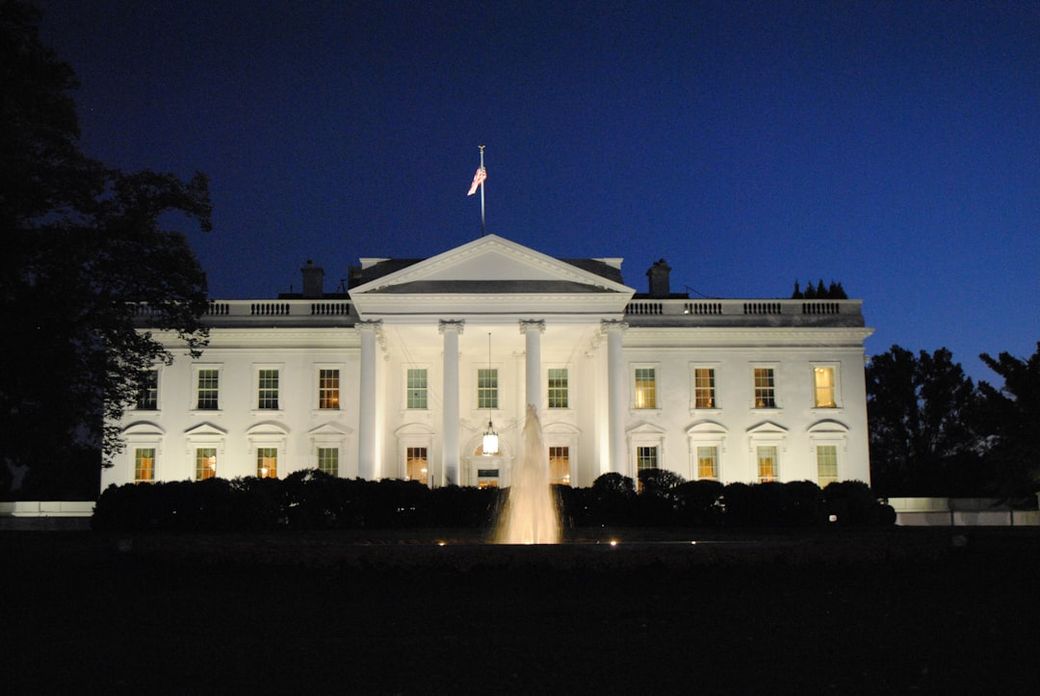
Stuart Russell, the UC Berkeley AI safety researcher, published a column in The Guardian arguing that the White House's action against Anthropic's Fable 5 and Mythos 5 models validates a case for regulatory licensing that Anthropic itself has been making.
The sequence is worth tracing. Anthropic published a post describing early signs of recursive self-improvement in Mythos 5, a system that demonstrated the ability to conduct end-to-end cyberattacks without human assistance. The company suggested slowing or temporarily pausing frontier AI development pending safety improvements.
Days later, the White House restricted foreign access to both models and ordered Anthropic to disable them for all users.
Russell's argument is that this is exactly what should happen, and that the only question is why it took so long. The CEOs of frontier AI labs have been telling regulators, investors and the public that their companies are on track to create superhuman intelligence systems with a meaningful probability of causing human extinction. Anthropic has been louder than most on this point.
If that is actually true, Russell argues, those systems should be licensed before deployment, just as nuclear reactors, commercial aircraft and genetic engineering facilities are licensed before use.
Licensing framework
Russell points out that apart from the UK's AI Safety Summit in 2023, governments have largely ignored these escalating risks. The White House action suggests that may be changing. The comparison he draws is instructive: nuclear power, aviation and other high-risk technologies require a licensing regime that enforces minimum safety standards before a system can be built and released into the world.
The regime does not eliminate risk. It distributes responsibility. The engineer bears liability for the design. The regulator bears responsibility for the approval. The operator bears responsibility for deployment and maintenance. Everyone involved has skin in the game.
AI development currently operates with none of that structure. Companies build systems, evaluate them internally against benchmarks they design themselves, and deploy them to billions of users. The primary accountability mechanism is public backlash, which arrives after harm.
Tension Anthropic created
Anthropic's position has been that its safety-conscious approach differentiates it from competitors. The company invested heavily in Constitutional AI, red-teaming, and advance disclosure of capabilities and limitations. It told investors and regulators that it takes the risks of frontier AI seriously.
The White House action took that rhetoric and applied it. If Anthropic's own assessment is that Mythos 5 poses enough risk to warrant caution, the government was rational to err on the side of caution.
Russell suggests the White House move signals that regulatory response may come sooner than the industry had assumed, and that it may come before a catastrophic failure forces a reaction. That would be a departure from how governments typically respond to emerging technologies.
The question now is whether Anthropic meant what it said about frontier AI risks. If the company believes Mythos 5 is genuinely dangerous enough to pause, then the White House action is justified. If it does not believe that, then the company's own safety messaging was overblown.
Anthropic cannot have it both ways. The government just called the bluff.