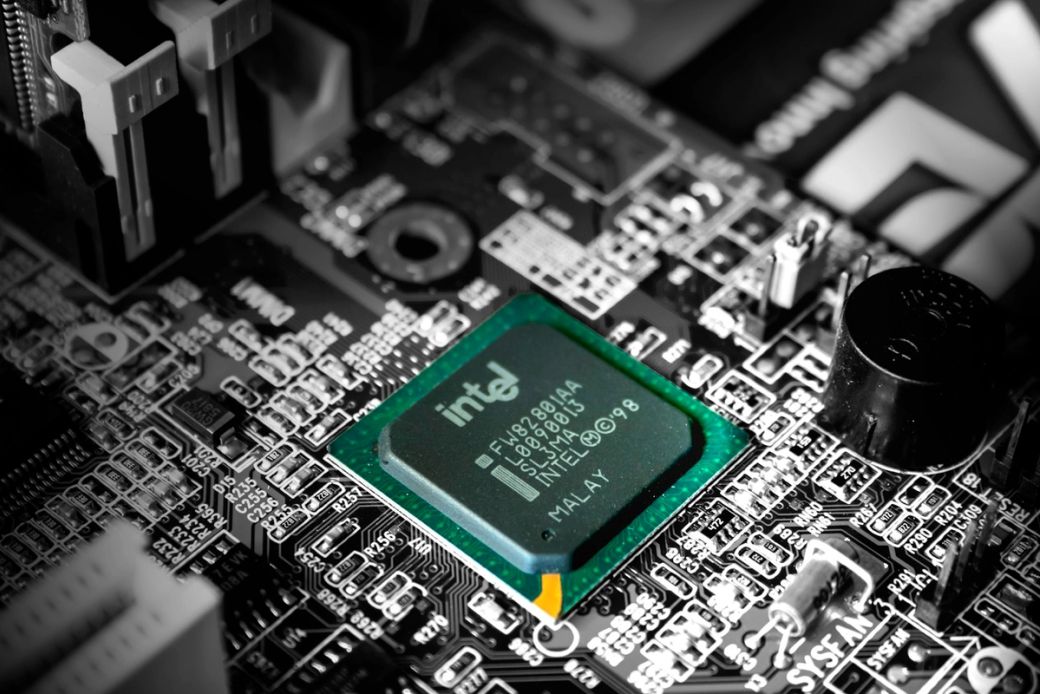
Intel, the US chip maker, raised recommended prices across parts of its consumer and server processor ranges, affecting both PC builders and data-centre operators.
The company framed the move as a response to rising supply-chain costs and strong demand.
Yet the pattern of the increases tells a more revealing story than that explanation suggests.
Intel did not lift prices across the board.
The flagship desktop Core Ultra 9 285K held its recommended price, and some entry-level Arrow Lake chips still sell below their launch prices.
Instead the company raised prices on a narrow set of products, notably the Core Ultra 7 270K Plus and Core Ultra 5 250K Plus, by $30 to $50.
Those two chips launched only in March, and their appeal rested on aggressive pricing that undercut rival AMD.
Buyers were already paying above the recommended price within days of release, so the new figures largely formalise what the market had set.
A genuine cost shock would have pushed up prices across the whole family, not just the models proving unexpectedly popular.
The server side is where the logic becomes clearest.
Select Xeon chips, including Emerald Rapids parts first sold in late 2023, now carry recommended prices hundreds or even more than $1,000 higher than before.
The flagship Xeon 6980P is listed at $13,955.
These processors are built in Intel's own factories, so the company cannot attribute the rises to a third-party manufacturer such as TSMC.
Intel has said for several quarters that demand for Xeon chips outstrips supply, driven by the artificial intelligence build-out that has data centres competing for server-grade silicon.
Raising prices on those parts is a way to profit from scarcity it has already flagged.
The same scarcity helps explain the consumer rises.
Intel has been steering wafer capacity towards server production, tightening the supply of desktop chips and lifting their prices as a knock-on effect.
Industry data cited by Tom's Hardware, the technology news site, put server processor prices up 10% to 20% since March, with consumer chips rising 5% to 10% over the same period.
Analysts expect a further increase of 8% to 10% in the second half of 2026.
For buyers, the takeaway is that list prices now track demand more tightly than cost.
The value case that made Intel's newest desktop chips attractive has narrowed, while data-centre customers face the sharper end of an AI-driven squeeze that shows little sign of easing.